
Insurance Verification System — Iowa
Free to compare
Iowa Verifies Your Insurance Electronically
Iowa's Department of Transportation runs continuous electronic insurance verification against every registered vehicle in the state. When you register a car, renew plates, or get pulled over, the officer or clerk queries the system in real time. If your carrier has not filed proof of coverage—or filed it incorrectly—the system flags your vehicle as uninsured, even when you hold an active policy and pay premiums on time.
This creates a structural problem for households insuring multiple vehicles on one policy. A single filing error—your carrier misspells a VIN, transposes digits in a policy number, or delays transmitting an update after you add a third car mid-term—can flag one vehicle as uninsured while the others verify correctly. The DOT does not distinguish between a lapse and a filing mistake. Both trigger the same suspension process.
“A filing error and an actual lapse produce identical results: suspension notices within days, and 30 days to prove coverage or lose your plates.”

Compare Iowa Car Insurance Quotes Today
Get My Iowa Car Insurance Quote11.4%
Iowa Uninsured Motorist Rate
More than one in ten Iowa drivers operates without insurance, which is why the state runs continuous electronic verification rather than relying on paper cards. The system is designed to catch lapses immediately, but it also catches filing errors with the same speed.
Insurance Information Institute, 2023
How the System Actually Works
Every Iowa-licensed auto insurance carrier transmits policy data to the Iowa Insurance Verification System daily. The transmission includes policyholder name, policy number, effective dates, and the VIN of every covered vehicle. When you register a car or renew plates, the county treasurer queries the system. At a traffic stop, the officer queries it from the patrol car. Both see the same real-time result: verified or not verified.
The system does not store your insurance card. It does not accept a card as proof. The officer or clerk is looking at a database record your carrier filed. If the record is missing, outdated, or contains a data mismatch, the system returns 'not verified' even when you hold a valid policy. You cannot override the result by showing your card or calling your agent during the stop.
For multi-vehicle households, the system verifies each car independently. A policy covering three vehicles transmits three separate VIN records. If your carrier files two correctly and one with a transposed digit, two cars verify and one does not. The unverified car triggers a suspension notice. The DOT does not care that the other two cars on the same policy verified—it treats the flagged vehicle as uninsured.

A filing error and an actual lapse produce identical results: the DOT mails a suspension notice within days, and you have 30 days to prove coverage or lose your registration.






Filing Errors Happen More Often Than Lapses
Most verification failures are not lapses. They are data mismatches. Your carrier files the wrong VIN. The policy number in the transmission does not match the number on your card because the carrier reissued the policy after you added a vehicle. The effective date in the system lags three days behind the actual coverage start because the carrier batches transmissions overnight. The DOT system does not distinguish these from intentional non-coverage.
Households with multiple vehicles face compounded risk because each car generates a separate verification record. Add a fourth vehicle mid-term and your carrier must file an updated transmission with the new VIN. If the carrier delays the update by five days, the new car shows unverified during that window. If you get pulled over on day three, the officer sees no coverage. You hold a valid policy, the car is listed on your declarations page, but the system has not caught up.
Iowa does not require carriers to file updates within a specific timeframe. Most transmit daily, but some batch weekly. A weekly filer creates a rolling five-to-seven-day window where newly added vehicles show unverified. The DOT does not care about the lag—it enforces based on what the system shows at the moment of the query.
$20,000 / $40,000 / $15,000
Iowa Minimum Liability Limits
Iowa requires $20,000 bodily injury per person, $40,000 per accident, and $15,000 property damage. Every vehicle you register must verify coverage at or above these minimums. The system does not verify coverage amounts—only that a filed record exists—but your carrier must file proof you meet the statutory floor.
Iowa Code Chapter 321A

How to Prevent Verification Failures
Call your carrier the day you add a vehicle and confirm they will file the updated VIN to the Iowa system within 24 hours. Ask for the confirmation number or batch ID. Do not assume the update happens automatically. Some carriers file same-day; others wait until the next billing cycle. A three-week delay between adding the car and the carrier filing the update leaves you exposed to a suspension notice if you register plates or get stopped during that window.
When you switch carriers, verify the new carrier filed proof of coverage before you cancel the old policy. Switching mid-term creates a two-to-three-day gap where the old carrier has transmitted a termination date and the new carrier has not yet filed the start date. The system shows unverified during that gap. If you register a car or renew plates during the gap, the county treasurer sees no coverage. Overlap the policies by 48 hours or delay registration until the new carrier confirms filing.
What to Do When You Receive a Suspension Notice
Do not ignore the notice. You have 30 days to respond, and the clock starts the day the DOT mails it, not the day you open it. Call your carrier immediately and request written proof of continuous coverage for the flagged vehicle, including the exact VIN and the dates the DOT claims you were unverified. If the failure was a filing error, your carrier must submit a corrected record to the DOT and provide you a letter confirming the mistake.
If the notice names a vehicle you sold or transferred, submit a copy of the title transfer or bill of sale showing the date you no longer owned it. The DOT will not suspend registration for a car you do not own, but you must prove the transfer date falls before the alleged lapse. If you added a vehicle mid-term and your carrier delayed filing, submit your declarations page showing the add date and a carrier letter confirming coverage from that date forward. The DOT accepts either an SR-22 or a carrier letter on company letterhead. Email and fax are not accepted—mail or deliver the documentation to the DOT address on the notice.
What Happens When Verification Fails
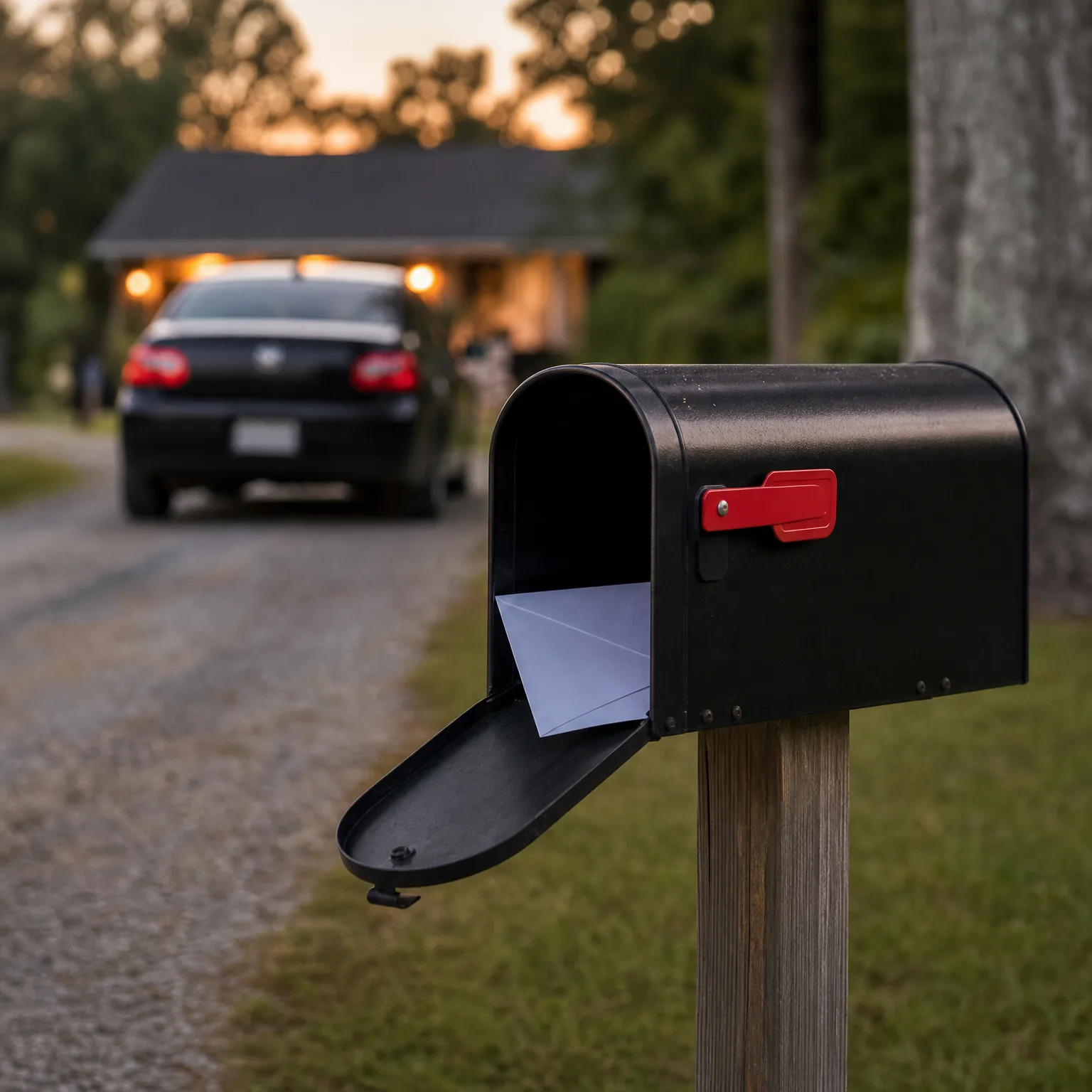
When the system flags your vehicle as unverified, the DOT mails a Notice of Potential Insurance Violation to the registered owner. The notice states the date the system detected the lapse, the VIN of the flagged vehicle, and the deadline to submit proof of continuous coverage. You have 30 days from the notice date—not the date you receive it—to respond. If the notice sits in your mailbox for a week, you lose a week of response time.
To clear the flag, you must submit an SR-22 certificate or a letter from your carrier confirming continuous coverage for the flagged period, including the exact VIN the system could not verify. The carrier letter must state policy number, effective dates, and the VIN exactly as it appears on the title. A generic 'insured since' letter will not clear the flag if the VIN does not match. If you added the car mid-term and your carrier delayed filing the update, you need documentation proving the car was covered from the date you added it, not the date the carrier finally transmitted the record.
Get Your Free Quote
Get My Iowa Car Insurance QuoteFrequently Asked Questions
Does Iowa accept an insurance card as proof of coverage?
No. Iowa verifies coverage electronically through carrier filings to the state system. An insurance card proves nothing if your carrier has not filed your policy data correctly. Officers and county clerks query the database in real time, and the card cannot override a 'not verified' result.
How long does my carrier have to file proof of coverage after I add a vehicle?
Iowa does not mandate a filing deadline. Most carriers transmit updates daily, but some batch weekly. A five-to-seven-day lag is common, during which the newly added vehicle shows unverified. Call your carrier the day you add the car and confirm same-day filing to avoid exposure during the lag window.
What happens if I get pulled over and the system shows my car unverified?
The officer will issue a citation for driving without insurance, even if you hold a valid policy. You must resolve the citation by submitting proof of continuous coverage to the court, and you will still receive a DOT suspension notice in the mail. The citation and the suspension are separate processes.
Can I fix a verification error online?
No. You must submit written documentation to the Iowa DOT by mail or in person. The DOT does not accept email, fax, or online uploads. You need either an SR-22 certificate or a carrier letter on company letterhead confirming continuous coverage for the flagged vehicle and dates.
Does the verification system check all my vehicles at once?
No. The system verifies each vehicle independently by VIN. A policy covering three cars transmits three separate records. If one record contains a filing error, that car flags as unverified while the others verify correctly. The DOT treats each flagged vehicle as a separate violation.
How do I know if my carrier filed my coverage correctly?
Call your carrier and ask them to confirm your policy data has been transmitted to the Iowa Insurance Verification System, including the VIN, policy number, and effective dates for every vehicle on your policy. Request a confirmation number or filing date. Do this every time you add, remove, or replace a vehicle.