
Best Car Insurance Companies — Iowa
Free to compare
Which Iowa Carriers Write Multi-Car Policies
You own two cars, or you're about to buy a second one, and you need to know which Iowa carriers will put both vehicles on the same policy without forcing you into separate coverage. Nineteen carriers write auto insurance in Iowa, but not all of them handle multi-vehicle households the same way. Some require every vehicle to sit on one policy to qualify for a multi-car discount; others let you split vehicles across policies but charge you the single-car rate on each.
The carrier roster breaks into three tiers: preferred (Amica, USAA, Auto-Owners), standard (State Farm, Geico, Progressive, Allstate, American Family), and non-standard (Bristol West, Dairyland, The General, National General). Preferred carriers typically require clean driving records and offer the steepest multi-car discounts. Standard carriers write most Iowa households and handle routine multi-vehicle additions without re-underwriting. Non-standard carriers specialize in higher-risk profiles and may price each vehicle separately even when they sit on the same policy.
“A smaller discount on a lower base rate often beats a larger discount on a higher one, and the only way to know is to quote the same coverage limits across multiple carriers.”

Compare Iowa Car Insurance Quotes Today
Get My Iowa Car Insurance Quote$926.42
Iowa Average Annual Auto Premium
Iowa drivers paid an average of $926.42 per insured vehicle in 2023, one of the lowest state averages in the country. Multi-vehicle households often pay less per car when both vehicles share one policy, but the total premium depends on the carrier's base rate and discount structure.
NAIC Auto Insurance Database Report 2023
Same-Policy Requirements and Mid-Term Additions
The multi-car discount almost always requires every vehicle to appear on the same policy, issued to the same named insured, and garaged at the same address. If you buy a second car mid-term and add it to your existing policy, the carrier re-rates the entire policy rather than simply tacking on a flat amount. That re-rating can surface a higher base rate if your original policy was written under a promotional rate that has since expired, or if the second vehicle is a different risk class than the first.
State Farm, Geico, and Progressive all write multi-car policies in Iowa and allow mid-term vehicle additions online or by phone. USAA writes multi-car coverage but restricts eligibility to military members and their families. Allstate and American Family both write multi-vehicle households and offer agent-assisted additions. Bristol West, Dairyland, and The General write non-standard multi-car policies for drivers with violations or lapses, but their discount structures differ: some apply a percentage reduction per vehicle, others price each car individually and apply a small policy-level credit.
If you're combining two existing policies after marriage or a household move, the carrier typically cancels one policy and re-writes both vehicles under a new policy number. That triggers a full underwriting review, and the combined premium may be higher than the sum of the two original premiums if one spouse has a recent ticket or if the second vehicle is a high-theft model.
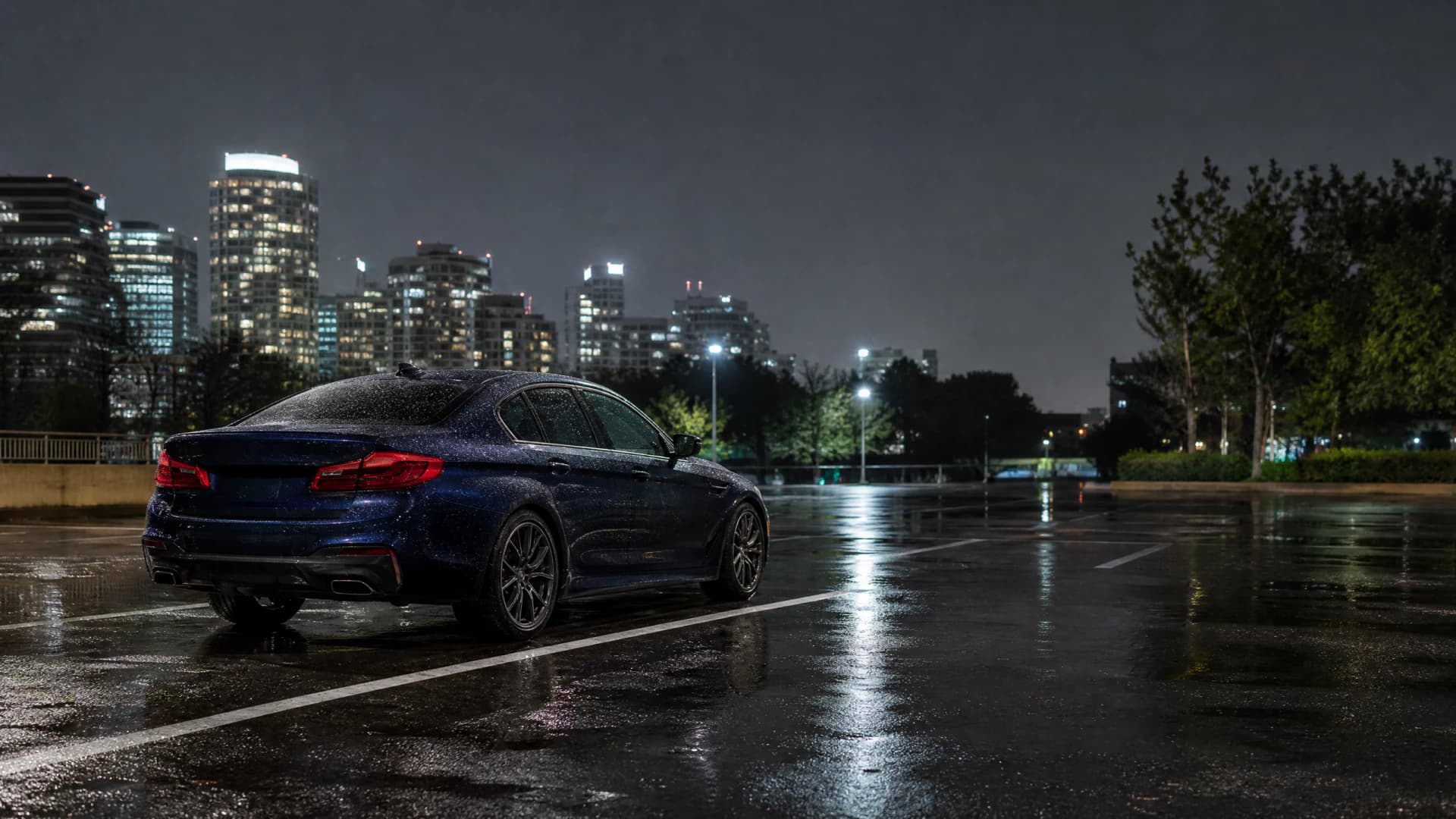
Not every Iowa carrier treats a mid-term vehicle addition the same way. Some re-rate the entire policy; others add the new car at a prorated amount and adjust the discount at renewal.
Related Articles






How Adding a Third or Fourth Vehicle Changes the Policy
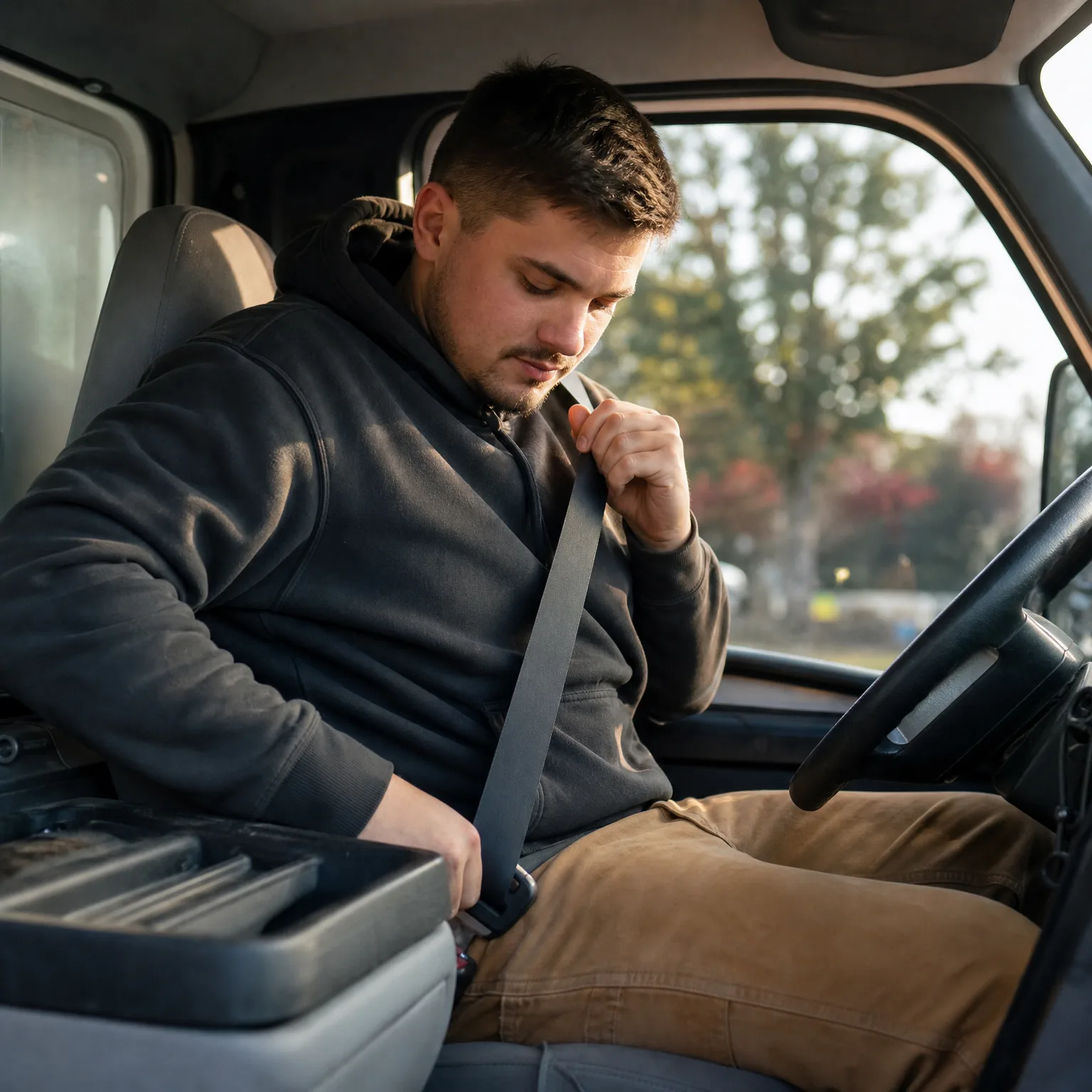
Adding a third vehicle to a two-car policy does not simply triple the discount. Most carriers cap the multi-car discount at a maximum percentage or dollar amount, so the incremental savings shrink with each additional vehicle. State Farm and Geico both apply the multi-car discount to every vehicle on the policy, but the percentage reduction per car decreases as the vehicle count rises. Progressive prices each vehicle individually and applies a policy-level discount that grows with the number of cars, but the marginal benefit of the fourth car is smaller than the benefit of the second.
If one of your vehicles is a classic car, a rarely-driven spare, or a vehicle titled to a household member who does not live with you full-time, some carriers will not count it toward the multi-car discount. The vehicle must be garaged at the same address and titled to a household member listed on the policy. A car titled to an adult child away at college may qualify if the child is listed as a driver and the vehicle remains garaged at your address during breaks, but carriers vary on how they handle this situation.
Farmers, Nationwide, and Travelers all write multi-vehicle policies in Iowa and allow you to structure coverage differently across vehicles: full coverage on the financed car, liability-only on the paid-off spare. That flexibility lets you control the total premium without dropping the multi-car discount, as long as every vehicle meets Iowa's minimum liability requirement of $20,000 per person, $40,000 per accident for bodily injury, and $15,000 for property damage.
19
Iowa Licensed Auto Carriers
Nineteen carriers write auto insurance in Iowa, spanning preferred, standard, and non-standard tiers. Not all of them write multi-car policies, and those that do apply different same-policy requirements and discount structures.
Iowa Department of Insurance carrier roster
Online Quote vs Agent-Only Carriers
Fourteen of Iowa's nineteen carriers offer online quotes: Geico, Progressive, State Farm, Allstate, American Family, Farmers, Nationwide, Travelers, Liberty Mutual, Hartford, Amica, Root, Bristol West, and Dairyland. Five require you to work through an agent: Auto-Owners, USAA (online for members but agent-assisted for complex policies), The General (online quote available but agent-assisted binding), National General (online quote but agent binding for multi-car), and Automobile Club of Michigan (agent-only in Iowa).
If you're adding a second vehicle mid-term, an online carrier lets you complete the addition yourself and see the new premium immediately. An agent-only carrier requires you to call or email, wait for the agent to re-quote the policy, and approve the change before it binds. That delay matters if you're buying the second car today and need proof of insurance to register it tomorrow. Iowa gives you a grace period to add a newly-purchased vehicle to your existing policy, but the length of that grace period varies by carrier: some give you 30 days, others give you 14, and a few require you to notify them within 24 hours of purchase to maintain continuous coverage.
Compare Carriers That Write Your Household Structure
Start by identifying which carriers write your specific household structure: two vehicles titled to one person, two vehicles titled to two spouses, or three vehicles with one driven by a teen. Then compare base rates and discount structures. A smaller discount on a lower base rate often beats a larger discount on a higher one, and the only way to know is to quote the same coverage limits across multiple carriers. Use the Iowa car insurance requirements page to confirm what the state mandates and what coverage levels make sense for your situation, then request quotes from at least three carriers in different tiers to see how their multi-car pricing compares.
Preferred vs Standard vs Non-Standard Carriers
Preferred carriers (Amica, USAA, Auto-Owners) require clean driving records, good credit in states where credit-based insurance scoring is legal, and no lapses in prior coverage. They offer the steepest multi-car discounts but decline applicants with recent violations or gaps. USAA restricts eligibility to military members, veterans, and their families. Amica and Auto-Owners both require you to work through an agent rather than quoting online.
Standard carriers (State Farm, Geico, Progressive, Allstate, American Family, Farmers, Nationwide, Travelers, Hartford, Liberty Mutual) write most Iowa households and handle routine multi-vehicle additions without re-underwriting. They price each vehicle based on its own risk factors, then apply a multi-car discount to the total policy premium. Non-standard carriers (Bristol West, Dairyland, The General, National General) specialize in higher-risk profiles: drivers with DUIs, suspended licenses, or multiple at-fault accidents. They write multi-car policies but often price each vehicle separately and apply a smaller policy-level credit rather than a percentage discount per car.
Get Your Free Quote
Get My Iowa Car Insurance QuoteFrequently Asked Questions
Which Iowa carriers offer the best multi-car discounts?
State Farm, Geico, and Progressive all write multi-car policies in Iowa and apply percentage discounts that grow with the number of vehicles. The size of the discount varies by carrier and household, so quote all three with identical coverage limits to compare. Preferred carriers like Amica and USAA offer steeper discounts but require clean driving records.
Can I insure two cars with different carriers in Iowa?
Yes, but you lose the multi-car discount. The discount requires both vehicles to sit on the same policy with the same carrier. Splitting vehicles across two carriers means you pay the single-car rate on each policy, which almost always costs more than combining them.
How long do I have to add a new car to my Iowa policy?
Grace periods vary by carrier. Some Iowa carriers give you 30 days to add a newly-purchased vehicle; others require notification within 14 days or 24 hours. Check your policy declarations page or call your carrier before you buy the second car to confirm the exact window.
Do all Iowa carriers require the same garaging address for multi-car discounts?
Most do. The multi-car discount typically requires every vehicle to be garaged at the same address and titled to a household member listed on the policy. A car garaged at a second address or titled to someone outside the household usually does not qualify.
What happens to my premium when I add a third vehicle mid-term?
The carrier re-rates the entire policy rather than adding a flat amount. The multi-car discount grows, but the incremental savings shrink with each additional vehicle because most carriers cap the discount at a maximum percentage or dollar amount.
Can I carry full coverage on one car and liability-only on another?
Yes. Farmers, Nationwide, and Travelers all let you structure coverage differently across vehicles on the same policy. You keep the multi-car discount as long as every vehicle meets Iowa's $20,000/$40,000/$15,000 minimum liability requirement.