
State Farm Car Insurance — Iowa
Free to compare
State Farm Writes Iowa Multi-Car Policies
You're managing two or more vehicles in Iowa and need to know whether State Farm will write a single policy covering every car in your household. State Farm is licensed to write auto insurance in Iowa and offers multi-car policies that bundle multiple vehicles under one policy number. The multi-car discount applies when every vehicle you own or regularly drive sits on the same State Farm policy, titled to the same named insured or household members listed on that policy.
The confusion arises when household members own separate vehicles or when a newly purchased car is titled to someone not already named on your existing State Farm policy. State Farm's multi-car discount structure requires same-policy enrollment: a vehicle titled to a household member on a different carrier's policy, or on a separate State Farm policy number, does not count toward the multi-car discount on your policy. This article clarifies how State Farm structures multi-vehicle coverage in Iowa, what the same-policy requirement means for your household, and the specific steps to add or combine vehicles correctly.
“State Farm's multi-car discount applies only when every vehicle sits on the same policy number under the same named insured.”

Compare Iowa Car Insurance Quotes Today
Get My Iowa Car Insurance Quote$20,000 / $40,000 / $15,000
Iowa Minimum Liability Limits
Iowa requires $20,000 bodily injury per person, $40,000 bodily injury per accident, and $15,000 property damage. Every vehicle on your State Farm policy must carry at least these minimums to register and legally drive in Iowa.
Iowa Code Chapter 321A
The Same-Policy Requirement
State Farm's multi-car discount applies only when every vehicle you want covered sits on the same policy number. A policy number is the unique identifier State Farm assigns to your coverage contract. If you own three cars but two are on policy number A and one is on policy number B, the multi-car discount applies separately to each policy based on the vehicle count within that policy number, not across both.
This matters most when household members each bring an existing State Farm policy into a shared household. Combining two separate State Farm policies into one policy number is the action that unlocks the multi-car discount across all vehicles. Keeping them separate means each policy is rated independently, and neither receives the discount for the vehicles on the other policy.
The same-policy rule also governs newly purchased vehicles. When you buy a second or third car, adding it to your existing State Farm policy number re-rates the entire policy to reflect the new vehicle count and applies the multi-car discount to every vehicle on that policy. Starting a separate policy for the new car forfeits the discount on both policies unless you later combine them.
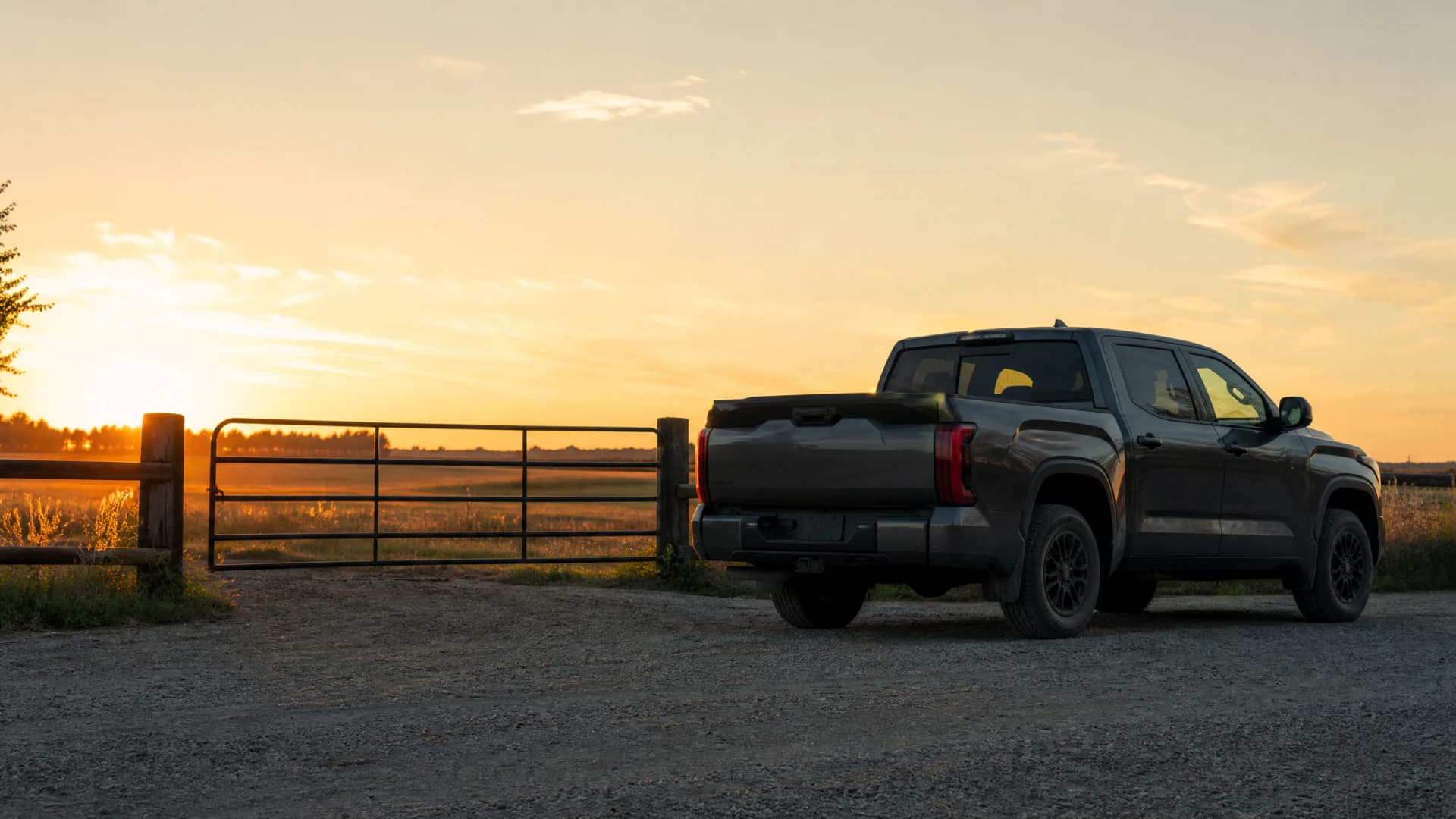
A vehicle titled to a household member on a different carrier's policy, or on a separate State Farm policy number, does not count toward your multi-car discount.






Combining Two State Farm Policies After Marriage or a Move
When two household members each have an existing State Farm policy and want to combine them, State Farm treats this as creating a new policy number that replaces both prior policies. The new policy lists both individuals as named insureds, includes every vehicle from both prior policies, and applies the multi-car discount to the combined vehicle count. The combined policy is rated as a single household unit, not as two separate policies sharing an address.
Combining policies usually lowers the total premium compared to keeping them separate, but not always. The combined policy reflects the driving records, ages, and claim histories of both named insureds. If one person has a clean record and the other has a recent at-fault accident or violation, the combined policy may cost more than the clean-record person's standalone policy did. The multi-car discount offsets some of that increase, but it does not erase the rating impact of the higher-risk driver.
State Farm allows you to request a combined-policy quote before committing. Contact your State Farm agent, provide the policy numbers for both existing policies, and request a quote for a single policy covering all vehicles and both named insureds. Compare the combined-policy premium to the sum of your current separate premiums. If the combined premium is lower, proceed with the combination. If it is higher, you can keep the policies separate, though you forfeit the multi-car discount by doing so.
2,354,046
Iowa Licensed Drivers
Iowa has over 2.3 million licensed drivers and 3.7 million registered vehicles, meaning many households insure multiple cars. State Farm is one of the largest writers in Iowa and structures multi-car policies to serve these households.
FHWA Highway Statistics 2022

Adding a Newly Purchased Vehicle to Your State Farm Policy
Iowa law does not mandate a specific grace period for adding a newly purchased vehicle to your existing policy, but State Farm typically extends automatic coverage to a new vehicle for a limited window after purchase, provided you notify State Farm within that window and the new vehicle replaces a vehicle already on the policy or is an additional vehicle you intend to insure. The exact window and conditions are defined in your State Farm policy contract. Read your policy documents or contact your agent immediately after purchasing a new vehicle to confirm the automatic-coverage window and the deadline to formally add the vehicle.
To add the vehicle, contact your State Farm agent with the vehicle identification number (VIN), purchase date, title information, and the coverage selections you want for the new vehicle. State Farm will re-rate your policy to include the new vehicle and apply the multi-car discount to the updated vehicle count. The premium adjustment is effective from the date you purchased the vehicle, not the date you contacted State Farm, so notifying your agent promptly avoids a coverage gap or a retroactive premium adjustment that catches you off guard.
Compare State Farm to Other Iowa Carriers
State Farm is one of many carriers writing multi-car policies in Iowa. Geico, Progressive, Allstate, American Family, Nationwide, Farmers, and others also write Iowa auto insurance and offer multi-car discounts with their own same-policy requirements and rating structures. A State Farm multi-car quote may be the best fit for your household, or another carrier may offer a lower combined premium for the same coverage across your vehicles.
To compare, request quotes from at least three carriers. Provide each carrier with the same vehicle information, the same coverage selections, and the same household driver details. Compare the total annual premium for a single policy covering all your vehicles, not the per-vehicle breakdown. The multi-car discount, base rates, and rating factors vary by carrier, and a smaller discount on a lower base rate can beat a larger discount on a higher one. Iowa does not regulate auto insurance rates, so premiums for identical coverage can vary significantly across carriers.
How Adding a Vehicle Re-Rates Your Policy
When you add a second or third vehicle, State Farm recalculates liability, collision, comprehensive, and uninsured motorist coverage for every vehicle on the policy. The multi-car discount applies to the new total, but other rating factors also shift: the household now has more vehicles at risk, more drivers potentially operating those vehicles, and a different garaging and usage profile. The re-rating reflects all of these changes, not just the discount.
This is why adding a vehicle mid-term sometimes produces a smaller premium increase than expected, and sometimes a larger one. A household adding a low-value older car with liability-only coverage to a policy that already covers two newer cars with full coverage may see a modest increase. A household adding a high-value financed car requiring collision and comprehensive to a policy covering one older car may see a steep jump, even with the multi-car discount applied. The discount reduces the total, but it does not override the base rating of the new vehicle.
Get Your Free Quote
Get My Iowa Car Insurance QuoteFrequently Asked Questions
Does State Farm offer multi-car discounts in Iowa?
Yes. State Farm writes multi-car policies in Iowa and applies a multi-car discount when you insure two or more vehicles on the same policy number. The discount applies to every vehicle on that policy, but vehicles on separate State Farm policy numbers or with other carriers do not count toward the discount.
Can I combine two State Farm policies into one in Iowa?
Yes. State Farm allows you to combine two separate policies into a single policy covering all vehicles and both named insureds. Contact your State Farm agent with both policy numbers to request a combined-policy quote. The combined policy applies the multi-car discount to the total vehicle count.
How long do I have to add a new car to my State Farm policy in Iowa?
State Farm typically extends automatic coverage to a newly purchased vehicle for a limited window after purchase, provided you notify State Farm within that window. The exact deadline is defined in your policy contract. Contact your agent immediately after purchasing a new vehicle to confirm the window and formally add the car.
Does adding a second car to my State Farm policy lower my premium?
Adding a second car applies the multi-car discount to both vehicles, which lowers the combined premium compared to insuring each car on a separate policy. However, the total premium will be higher than your current single-car premium because you are now insuring two vehicles. The discount reduces the increase, but it does not eliminate it.
What coverage do I need for each car on a multi-car State Farm policy in Iowa?
Every vehicle must carry at least Iowa's minimum liability limits: $20,000 bodily injury per person, $40,000 per accident, and $15,000 property damage. You can choose different collision, comprehensive, and deductible levels for each vehicle on the same policy based on each car's value and how you use it.