
Cheapest Auto Insurance — Iowa
Free to compare
Finding Low-Cost Coverage for Multiple Vehicles in Iowa
You own two or more cars, and you need to know which Iowa carrier writes the lowest combined premium for your household. The state requires $20,000 per person and $40,000 per accident in bodily injury liability, plus $15,000 in property damage liability, but meeting that floor across multiple vehicles means comparing how carriers price multi-car policies, not just single-vehicle rates.
Most carriers advertise a multi-car discount when you insure every vehicle on one policy, but the size of that discount and the base rate it applies to vary widely. A smaller discount on a lower base rate often beats a larger discount on a higher one, and some carriers price certain driver or vehicle combinations more aggressively than others. The cheapest option for your household depends on how many cars you're insuring, who drives them, and whether every vehicle qualifies for the same-policy discount.
“A smaller discount on a lower base rate often beats a larger discount on a higher one.”

Compare Iowa Car Insurance Quotes Today
Get My Iowa Car Insurance Quote$926.42
Iowa Average Annual Auto Expenditure Per Vehicle
Iowa drivers paid an average of $926.42 per insured vehicle in 2023, one of the lowest state averages in the country. Multi-car households often pay less per vehicle than that figure when the multi-car discount applies.
NAIC Auto Insurance Database Report 2023
How Iowa Carriers Price Multi-Car Policies
The multi-car discount requires every vehicle to sit on the same policy, typically garaged at the same address. When those conditions are met, carriers reduce the per-vehicle premium, but the amount of that reduction varies by carrier. Some carriers apply a flat percentage to each vehicle after the first; others tier the discount by the number of cars on the policy.
The base rate matters more than the discount percentage. A carrier with a high base rate and a large multi-car discount can still cost more than a carrier with a lower base rate and a smaller discount. You're comparing the final combined premium, not the size of the discount in isolation.
Carriers also price driver and vehicle combinations differently. A household with a teen driver and an older sedan will see different rate spreads across carriers than a household with two middle-aged drivers and newer SUVs. The carrier that writes the lowest rate for one household may not be the cheapest for another, even when both households insure the same number of vehicles.
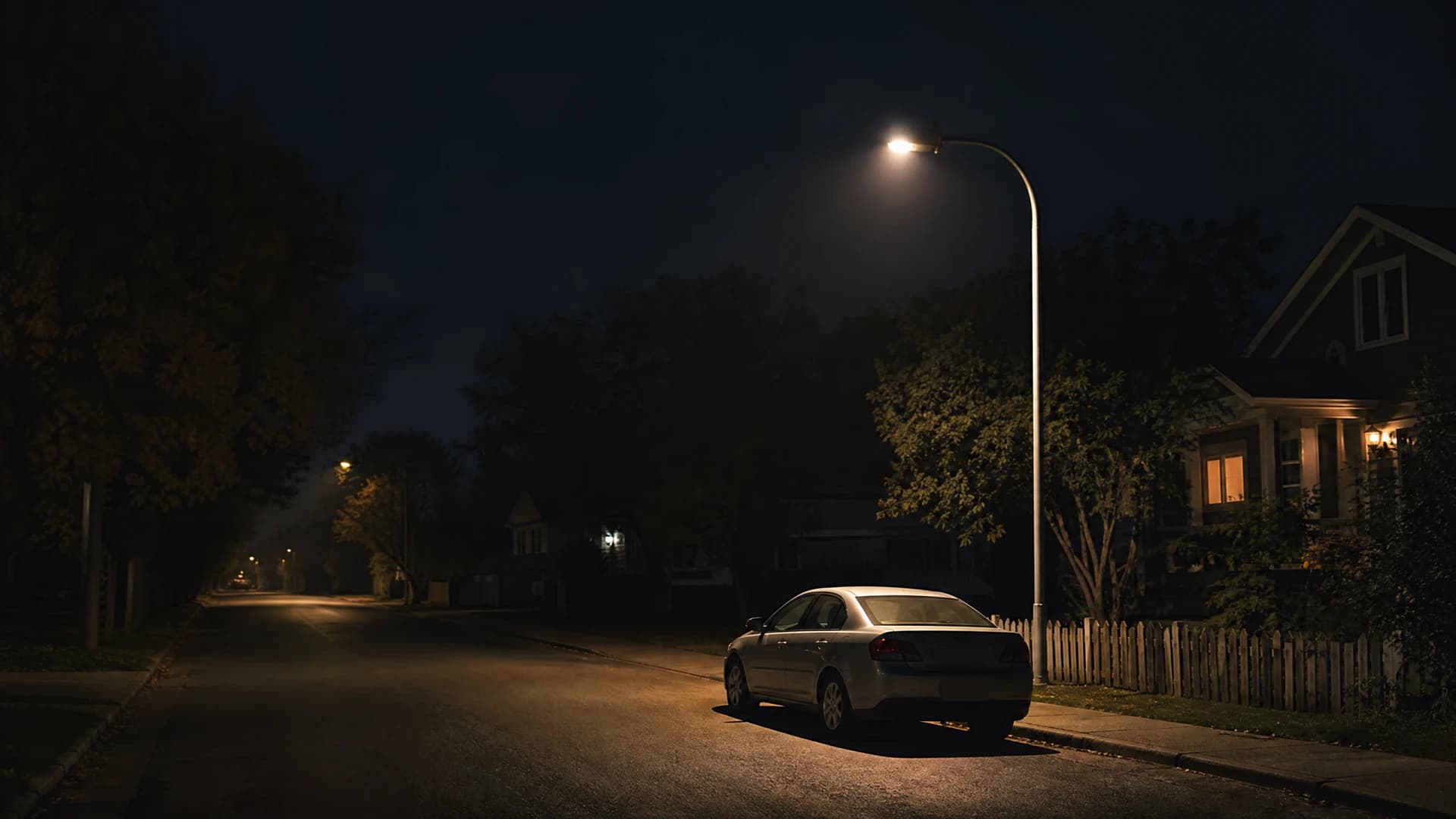
The multi-car discount only applies when every vehicle sits on one policy. A car titled to someone outside the household or garaged at a different address may not qualify.




When Separate Policies Cost Less Than One Combined Policy
Combining every vehicle on one policy usually lowers the total premium, but not always. When one driver on the policy carries a DUI, multiple at-fault accidents, or a suspended license history, that driver's risk profile raises the base rate for every vehicle on the policy. In those cases, moving the high-risk driver to a separate non-standard policy and keeping the other vehicles on a standard-tier policy can produce a lower combined household cost.
The same logic applies when one vehicle is significantly more expensive to insure than the others. A sports car or a vehicle financed with full coverage requirements may raise the per-vehicle rate enough that splitting it onto a separate policy saves money, even after losing the multi-car discount on the remaining vehicles.
Carriers do not always allow you to split vehicles across policies when the drivers live at the same address. Some require every household vehicle to sit on one policy unless the vehicles are titled to different people or garaged at different addresses. If you're considering splitting policies, confirm with the carrier that the structure is allowed before you move coverage.
11.4%
Iowa Uninsured Motorist Rate
11.4% of Iowa motorists drove uninsured in 2023. Uninsured motorist coverage is not required in Iowa, but it protects your household when an at-fault driver has no insurance and you file a claim for injuries or vehicle damage.
Insurance Research Council 2023

Minimum Coverage Versus Full Coverage for Multiple Vehicles
Iowa requires $20,000 per person and $40,000 per accident in bodily injury liability, plus $15,000 in property damage liability. That minimum applies to each vehicle you register, but it does not cover damage to your own cars. If you finance or lease any vehicle on the policy, the lender requires collision and comprehensive coverage, which raises the per-vehicle cost.
When you own every vehicle outright, you can drop collision and comprehensive and carry only the state minimum. That lowers the premium significantly, but it also means you pay out of pocket to repair or replace your own cars after an accident, theft, or weather damage. For older vehicles with low market value, dropping physical-damage coverage often makes sense. For newer or financed vehicles, full coverage is typically required by the lender and protects your household's equity in the car.
Compare Carriers That Write Your Household's Vehicles
The cheapest carrier for your household is the one that writes the lowest combined premium for every vehicle and driver on your policy. That carrier varies by household, and the only way to identify it is to compare quotes from multiple carriers writing multi-car policies in Iowa. Request quotes from at least three standard-tier carriers and, if any driver on the policy has a violation or lapse, at least one non-standard carrier.
When you request quotes, provide the same coverage limits, deductibles, and driver information to every carrier. Comparing a $500 deductible quote from one carrier against a $1,000 deductible quote from another does not tell you which carrier prices your household lower. Use identical coverage selections across every quote, then compare the final combined premium. The carrier with the lowest total cost for your household is the cheapest option, regardless of the size of the multi-car discount or the base rate in isolation.
Carriers Writing Multi-Car Policies in Iowa
Standard-tier carriers writing multi-car policies in Iowa include State Farm, Geico, Progressive, Allstate, Nationwide, Farmers, American Family, Liberty Mutual, and Travelers. These carriers write coverage for drivers with clean or near-clean records and typically offer the multi-car discount when every vehicle sits on one policy. State Farm, American Family, and Auto-Owners are preferred-tier carriers that may offer lower base rates for households with no violations or claims, but they price more conservatively when a driver has points or a recent at-fault accident.
Non-standard carriers such as Bristol West, Dairyland, The General, and National General write coverage for drivers with violations, lapses, or higher-risk profiles. These carriers often write multi-car policies and may offer better combined rates than standard carriers when one or more drivers on the policy carry a DUI, suspended license history, or multiple at-fault accidents. Non-standard carriers typically require higher liability limits than the state minimum and may not offer as large a multi-car discount as standard-tier carriers, but their base rates for high-risk drivers are often lower.
Get Your Free Quote
Get My Iowa Car Insurance QuoteFrequently Asked Questions
What is the cheapest car insurance company in Iowa for multiple vehicles?
The cheapest carrier varies by household. State Farm, Geico, and American Family often write competitive multi-car rates for clean-record drivers, while Bristol West and Dairyland may offer lower combined premiums for households with violations or lapses. Compare quotes from at least three carriers to identify the lowest combined rate for your vehicles and drivers.
Does insuring multiple cars on one policy in Iowa save money?
Insuring every vehicle on one policy typically lowers the per-vehicle premium through the multi-car discount, but not always. When one driver carries a high-risk profile or one vehicle is significantly more expensive to insure, splitting policies can produce a lower total household cost. Compare both structures before deciding.
What is the minimum car insurance required in Iowa for two cars?
Iowa requires $20,000 per person and $40,000 per accident in bodily injury liability, plus $15,000 in property damage liability, for each vehicle you register. You can meet that requirement by insuring both cars on one policy or on separate policies, but one policy with the multi-car discount usually costs less.
Can I get a multi-car discount in Iowa if the cars are titled to different people?
Most carriers require every vehicle on the policy to be titled to the same person or to household members living at the same address. A car titled to someone outside the household or garaged at a different address typically does not qualify for the same-policy multi-car discount. Confirm eligibility with the carrier before adding the vehicle.
How much does it cost to insure three cars in Iowa?
The cost depends on the vehicles, drivers, coverage limits, and carrier. Iowa drivers paid an average of $926.42 per insured vehicle in 2023, but multi-car households often pay less per vehicle when the multi-car discount applies. Request quotes from multiple carriers to compare combined premiums for your household.
Do I need full coverage on every car in Iowa?
Iowa requires only liability coverage. Full coverage (collision and comprehensive) is required by lenders when you finance or lease a vehicle, but you can drop it on vehicles you own outright. Dropping physical-damage coverage lowers the premium but means you pay out of pocket to repair or replace your own car after an accident or theft.