
Cheapest Minimum Coverage Car Insurance — Iowa
Free to compare
One Policy Meets the Minimum Once
Iowa law requires every registered vehicle to carry at least $20,000 bodily injury per person, $40,000 bodily injury per accident, and $15,000 property damage liability. That minimum applies to the policy, not to each car. When you insure two or more vehicles on a single policy, you meet the state floor once. When you split those vehicles across separate policies, you pay to meet the minimum twice.
The structural reality households miss: minimum coverage is not a per-vehicle product. It is a policy-level threshold. A household with three cars on one policy carries one set of liability limits covering all three vehicles. A household with three cars on three policies pays three times to meet the same state requirement.
“Iowa's minimum liability requirement applies once per policy — insuring multiple vehicles on one policy meets the state floor once; separate policies duplicate the cost.”

Compare Iowa Car Insurance Quotes Today
Get My Iowa Car Insurance Quote$20,000 / $40,000 / $15,000
Iowa Minimum Liability Limits
Every auto insurance policy in Iowa must carry at least $20,000 bodily injury per person, $40,000 bodily injury per accident, and $15,000 property damage. These limits apply once per policy, regardless of how many vehicles that policy covers.
Iowa Code 321A.21
Why Separate Policies Cost More at the Minimum
Carriers price minimum-coverage policies with fixed underwriting and administrative costs built into the base premium. When you add a second or third vehicle to an existing policy, the carrier adds incremental vehicle premium — the cost to insure that specific car — without duplicating the policy-level base. When you open a second policy for the second car, you pay the base premium again.
The multi-car discount amplifies this gap. Most carriers writing Iowa auto insurance offer a multi-vehicle discount when two or more cars sit on the same policy. That discount reduces the per-vehicle premium, but it applies only when the vehicles share one policy. Splitting the cars across separate policies forfeits the discount entirely, even if both policies sit with the same carrier.
A household insuring a sedan and a truck on one minimum-coverage policy pays one base premium, two incremental vehicle charges, and receives the multi-car discount. The same household insuring the sedan on one policy and the truck on another pays two base premiums, two vehicle charges, and no discount. The difference is structural, not a rate quirk.

Splitting vehicles across separate minimum-coverage policies duplicates the base premium and forfeits the multi-car discount — you pay twice to meet the same state requirement.


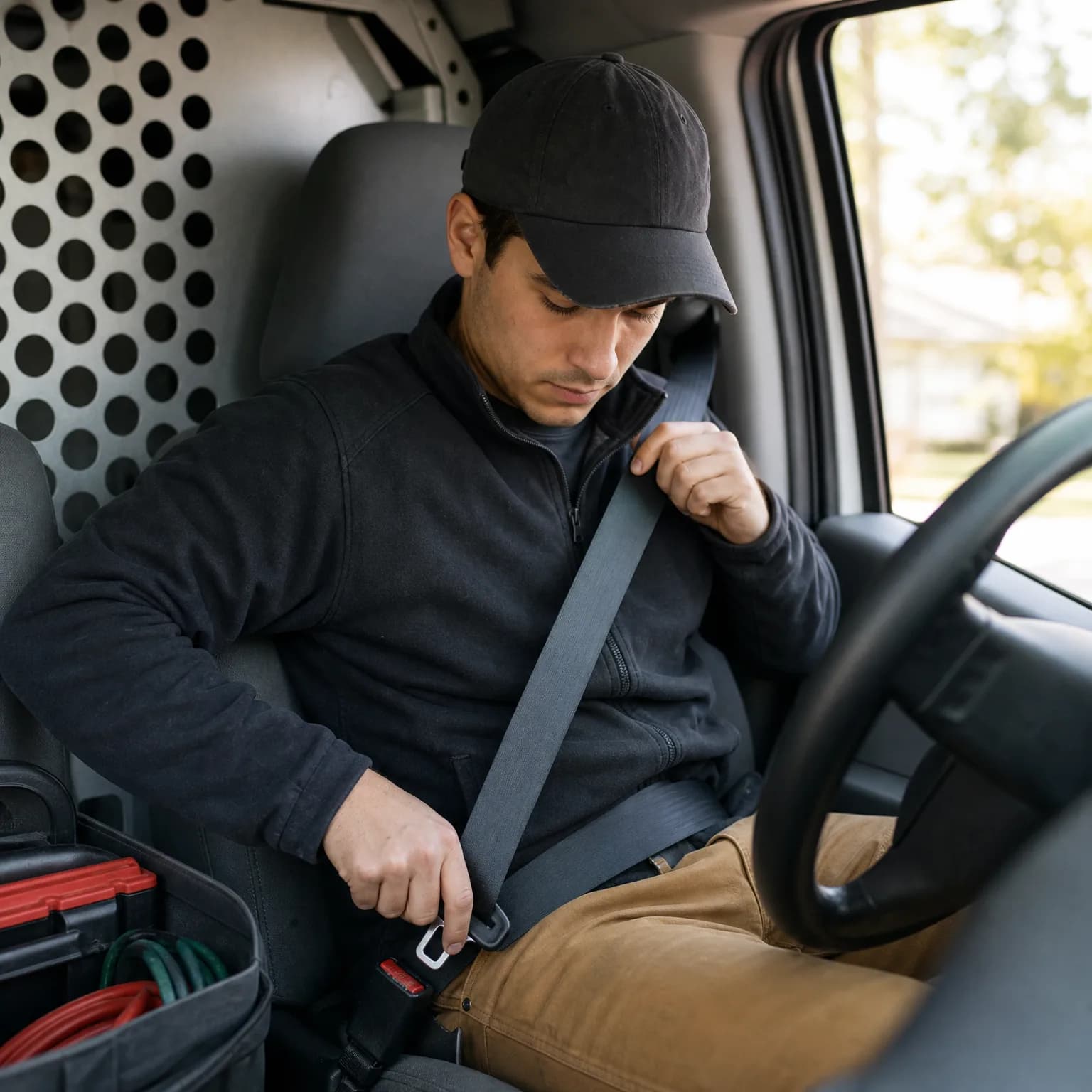




How Carriers Price Minimum Coverage in Iowa
Iowa permits carriers to use credit-based insurance scores, driving history, age, vehicle type, and garaging ZIP code to set rates. Two households buying identical minimum-coverage policies for identical vehicles can pay different premiums based on those factors. The state does not regulate the weight carriers assign to each factor, so one carrier may price a young driver's minimum-coverage policy higher than another.
Carriers writing Iowa minimum-coverage policies include State Farm, Geico, Progressive, Allstate, Farmers, Nationwide, American Family, Liberty Mutual, and Travelers. Non-standard carriers such as Dairyland, Bristol West, The General, and National General write minimum coverage for drivers with violations, lapses, or other high-risk attributes. Comparing quotes across at least three carriers is the only way to identify which one prices your household's vehicles lowest.
The multi-car discount percentage varies by carrier and is not published in rate filings. One carrier's smaller discount on a lower base rate can cost less than another carrier's larger discount on a higher base. The only reliable comparison method is to quote the same vehicles, same drivers, same coverage limits with each carrier and compare the total annual premium.
11.4%
Iowa Uninsured Motorist Rate
One in nine Iowa drivers operates without insurance. Minimum liability coverage protects you financially when you cause an accident, but it does not cover your own injuries or vehicle damage when an uninsured driver hits you.
Insurance Research Council, 2023
What Minimum Coverage Does Not Pay For
Iowa's minimum liability limits cover injuries and property damage you cause to others. They do not cover your own medical bills, your own vehicle repairs, or damage to your car from theft, weather, or collision with an object. If you total your car in a single-vehicle accident, minimum coverage pays nothing toward replacing it.
Uninsured and underinsured motorist coverage is optional in Iowa, but it is the only protection you have when a driver with no insurance or inadequate limits injures you. Personal injury protection is also optional. Collision and comprehensive coverage protect your own vehicles. A household insuring multiple cars on minimum coverage alone assumes the full financial risk of repairing or replacing those vehicles after any incident that is not another driver's fault.
Compare Carriers for Your Household's Vehicles
The cheapest minimum-coverage policy for a household with multiple cars is the one that delivers the lowest total annual premium after the multi-car discount. That carrier varies by household. A carrier that prices one household's sedan and SUV lowest may price another household's truck and minivan highest, because each carrier weights vehicle type, driver age, and location differently.
Request quotes for all your vehicles on one shared policy from at least three carriers. Provide identical coverage limits, identical driver information, and identical vehicle details to each. Compare the total annual premium, not the per-vehicle breakdown. The carrier that delivers the lowest total after applying the multi-car discount is the cheapest option for your household, regardless of how it prices any single vehicle.
When One Shared Policy Works
Every vehicle on the policy must be titled to a policyholder or a household member living at the same address. Most carriers require all vehicles to be garaged at the policy address. A car titled to someone outside the household, or garaged at a different address, typically cannot be added to the same policy. When that happens, the household must open a second policy for that vehicle, duplicating the minimum-coverage cost.
Carriers also require all household members of driving age to be listed on the policy — either as rated drivers or explicitly excluded. A household member who drives one of the vehicles but refuses to be listed blocks the entire policy structure. The carrier will not issue coverage until every driver is accounted for. If listing a high-risk driver raises the premium beyond what the household can pay, the alternative is a separate policy for that driver's vehicle, which again duplicates the base premium.
Get Your Free Quote
Get My Iowa Car Insurance QuoteFrequently Asked Questions
Does Iowa require insurance on every vehicle I own?
Iowa requires proof of financial responsibility for every registered vehicle. Most drivers meet this requirement with an auto insurance policy carrying at least $20,000/$40,000/$15,000 liability limits. You can insure all your vehicles on one policy or separate policies, but every registered car must be covered.
Can I insure two cars on one policy in Iowa?
Yes. Iowa carriers allow you to insure two or more vehicles on a single policy when all vehicles are titled to the policyholder or household members living at the same address and garaged at the policy address. Most carriers require all household drivers to be listed or excluded.
Is minimum coverage cheaper for multiple cars on one policy?
Yes. Insuring multiple vehicles on one policy meets Iowa's minimum liability requirement once and qualifies for the multi-car discount. Splitting the same vehicles across separate policies duplicates the base premium and forfeits the discount, raising the total cost.
What is the multi-car discount in Iowa?
The multi-car discount is a rate reduction carriers offer when two or more vehicles are insured on the same policy. The discount percentage varies by carrier and is not published. It applies only when all vehicles sit on one shared policy.
Which Iowa carriers write minimum coverage for multiple cars?
State Farm, Geico, Progressive, Allstate, Farmers, Nationwide, American Family, Liberty Mutual, and Travelers all write multi-car minimum-coverage policies in Iowa. Non-standard carriers such as Dairyland, Bristol West, The General, and National General write coverage for high-risk drivers. Compare quotes from at least three carriers.
What does Iowa minimum coverage not pay for?
Iowa's minimum liability limits cover injuries and property damage you cause to others. They do not cover your own medical bills, your own vehicle repairs, or damage from theft, weather, or single-vehicle collisions. Collision, comprehensive, uninsured motorist, and personal injury protection are optional.
Can I have separate policies for each car in Iowa?
Yes, but it costs more. Each policy must meet Iowa's $20,000/$40,000/$15,000 minimum liability requirement independently. You pay the base premium twice and forfeit the multi-car discount, even if both policies are with the same carrier.