
Does Iowa Require Continuous Car Insurance
Iowa does not have a continuous-coverage statute. The state does not require you to maintain active insurance on a vehicle you are not driving, and there is no law that penalizes a gap in coverage by itself. You can cancel a policy on a car that sits unused in your garage without violating Iowa Code.
The structural reality is more complicated. Iowa operates a proof-of-insurance system that assumes every registered vehicle is insured. When you cancel a policy, the carrier notifies the Iowa Department of Transportation. If the vehicle's registration remains active, the DOT interprets the cancellation as proof-of-insurance failure and assesses a civil penalty. The penalty is not for the coverage gap — it is for operating a registered vehicle without proof of insurance.
Compare car insurance rates in your state
Get quotes from licensed carriers — no obligation, no spam, results in minutes.
Get Your Free QuoteIowa Uninsured Vehicle Penalty
The penalty applies per vehicle, not per household.
Iowa Department of Transportation Motor Vehicle Division
How Iowa's Proof System Creates a De Facto Continuous Requirement
Iowa Code does not use the phrase continuous coverage. The requirement is embedded in the proof-of-insurance reporting system. Every carrier writing auto insurance in Iowa reports policy cancellations and lapses to the DOT electronically. The DOT cross-references those reports against active vehicle registrations.
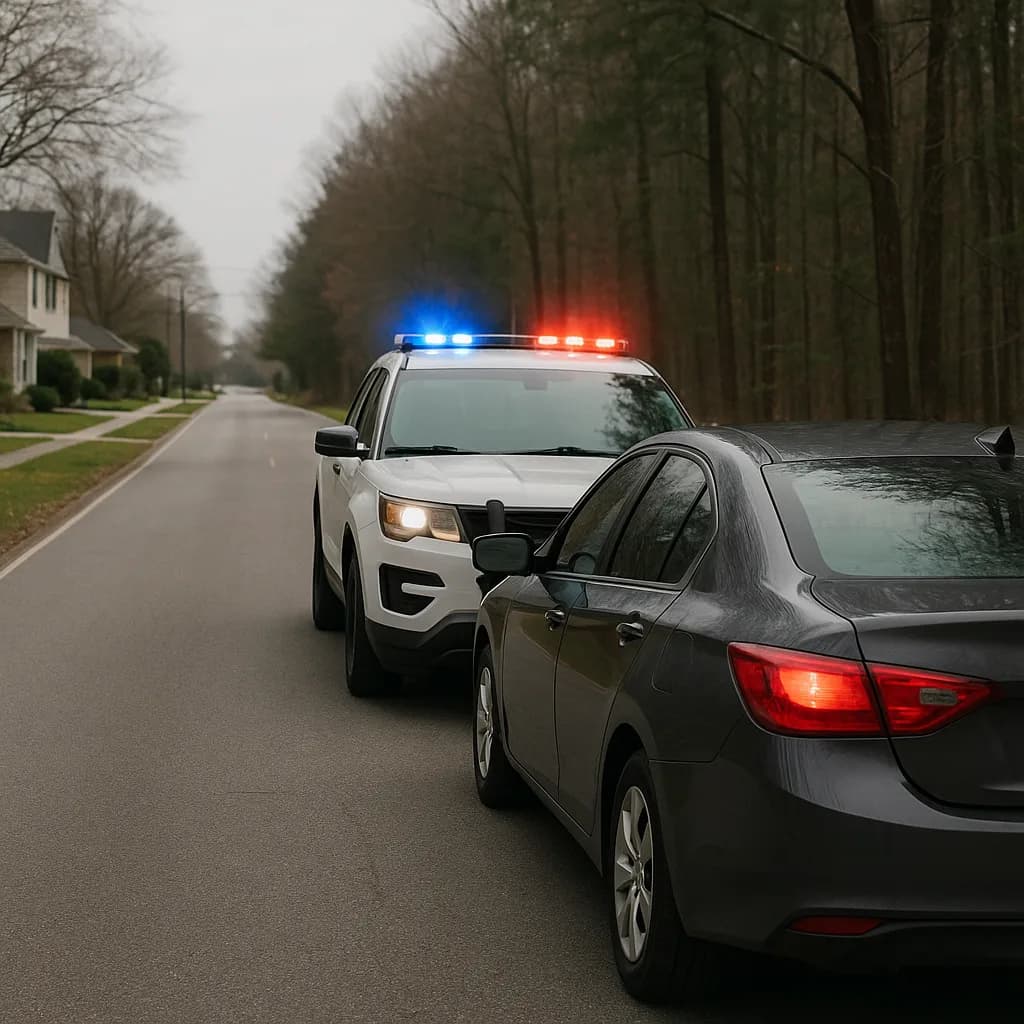
When a policy cancels and the registration remains active, the DOT sends a notice demanding proof of insurance or plate surrender. The suspension does not affect your driver license, but it makes the vehicle illegal to operate on public roads.
This structure means you cannot drop coverage on a registered vehicle without consequence. The state does not care whether you are driving the car. It cares whether the registration is active. If the registration is active, the state expects proof of insurance. If proof lapses, the penalty applies.
Iowa's proof system treats every registered vehicle as if it must be insured. Canceling coverage without surrendering the registration triggers the same penalty as driving uninsured.
What Happens When You Cancel Coverage on a Registered Vehicle
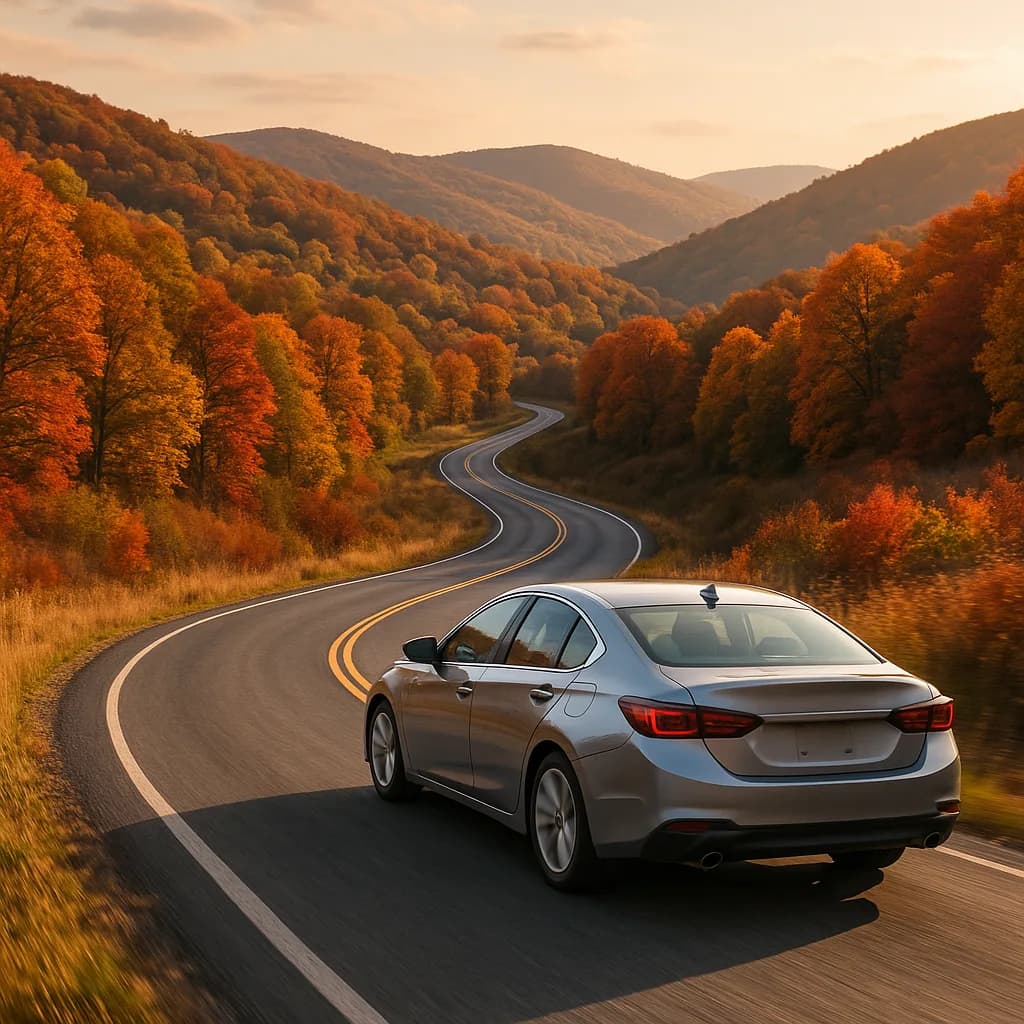
The carrier reports the cancellation to the Iowa DOT within days of the policy end date. The DOT compares the cancellation report to its registration database. If the vehicle's registration is active, the DOT generates a proof-of-insurance demand letter. The letter gives you a deadline to either provide proof of new coverage or surrender the vehicle's plates to your county treasurer.
The suspension is administrative, not criminal. You can lift the suspension by providing proof of insurance, paying the penalty, and requesting reinstatement. The vehicle cannot be legally driven until the registration is reinstated.
Related Articles





How to Drop Coverage Without Triggering the Penalty
Surrender the vehicle's registration before you cancel the policy. Take the license plates to your county treasurer's office. The treasurer will issue a plate surrender receipt. Once the registration is inactive, the DOT's proof system no longer expects insurance on that vehicle. You can cancel the policy without penalty.
If you cancel the policy first and then surrender the plates, you create a window where the vehicle is registered but uninsured. That window triggers the proof-of-insurance demand. You can still avoid the penalty by surrendering the plates before the DOT's deadline, but the safer sequence is plates first, then policy cancellation.
Households with multiple vehicles often cancel coverage on a car that is not being driven to reduce premium cost. The mistake is canceling the policy while the registration remains active. The DOT does not distinguish between a car you drive daily and a car that sits in storage. Both are registered vehicles, and both must show proof of insurance or have their registrations surrendered.
Iowa Carriers Writing Multi-Vehicle Policies
20
Twenty carriers write auto insurance in Iowa and offer multi-vehicle policies. Comparing carriers that write coverage for all your household's vehicles ensures you structure the policy correctly and avoid gaps that trigger proof-of-insurance penalties.
Iowa Department of Insurance carrier roster
Multi-Vehicle Households and the Proof System
If you insure multiple vehicles on one policy, canceling coverage on one car does not cancel the entire policy. The carrier reports the removed vehicle to the DOT. If that vehicle's registration is still active, the DOT treats it as an uninsured registered vehicle and sends the proof demand. The fact that your other vehicles remain insured does not protect the removed vehicle from the penalty.
Some households keep a rarely-driven vehicle registered for occasional use. The proof system does not accommodate occasional use. The vehicle is either registered and insured, or unregistered. If you want to keep the registration active, you must keep insurance active. If you want to drop insurance, you must surrender the registration.
Compare Carriers That Write Your Household's Vehicles
Iowa's proof-of-insurance system makes coverage gaps expensive. Structuring your policy to cover every registered vehicle on one continuous policy avoids the proof-system trap. Compare carriers that write multi-vehicle policies in Iowa and confirm each vehicle's registration status before making coverage changes. If you plan to drop coverage on a vehicle, surrender the plates first.