
Collision Coverage for Multiple Vehicles — Iowa
Free to compare
The Multi-Car Collision Question
You're managing a multi-vehicle policy in Iowa — maybe a daily driver and an older sedan, or three cars split between two drivers — and you're looking at the collision line on each vehicle wondering whether you need it on all of them. The newer car with the loan clearly needs it. The 12-year-old car you paid cash for? Less obvious.
The structural reality: collision coverage is priced and elected per vehicle, not per policy. You can carry it on one car and drop it on another without breaking the multi-car discount or splitting the policy. Most households don't realize that. They assume coverage must match across every vehicle, so they either overpay for collision on cars that don't need it or drop it everywhere to save money and expose the financed car.
“Collision coverage is priced per vehicle, not per policy — you can carry it on one car and drop it on another without losing the multi-car discount.”

Compare Iowa Car Insurance Quotes Today
Get My Iowa Car Insurance Quote$15,000
Iowa Minimum Property Damage
Iowa requires $20,000 bodily injury per person, $40,000 per accident, and $15,000 property damage liability. Those minimums cover damage you cause to others — collision covers damage to your own vehicle, and it's optional unless your lender requires it.
Iowa Code 321A
What Collision Actually Covers on a Multi-Car Policy
Collision pays to repair or replace your vehicle after an accident with another car, object, or rollover, minus your deductible. It's an optional coverage — Iowa does not mandate it — but lenders require it on financed and leased vehicles until the loan is paid off.
On a multi-vehicle policy, collision is elected separately for each car. You choose a deductible ($500 or $1,000 are most common) for each vehicle that carries it. The premium for collision on a 2018 sedan will be higher than on a 2012 sedan because the newer car costs more to repair or replace. That per-vehicle pricing is why dropping collision on an older car saves money without affecting the rest of the policy.
The multi-car discount applies to the policy as a whole — it reduces the base premium because you're insuring multiple vehicles with one carrier. Dropping collision on one vehicle does not cancel the discount. The discount survives as long as every vehicle remains on the same policy, regardless of whether their coverage levels match.
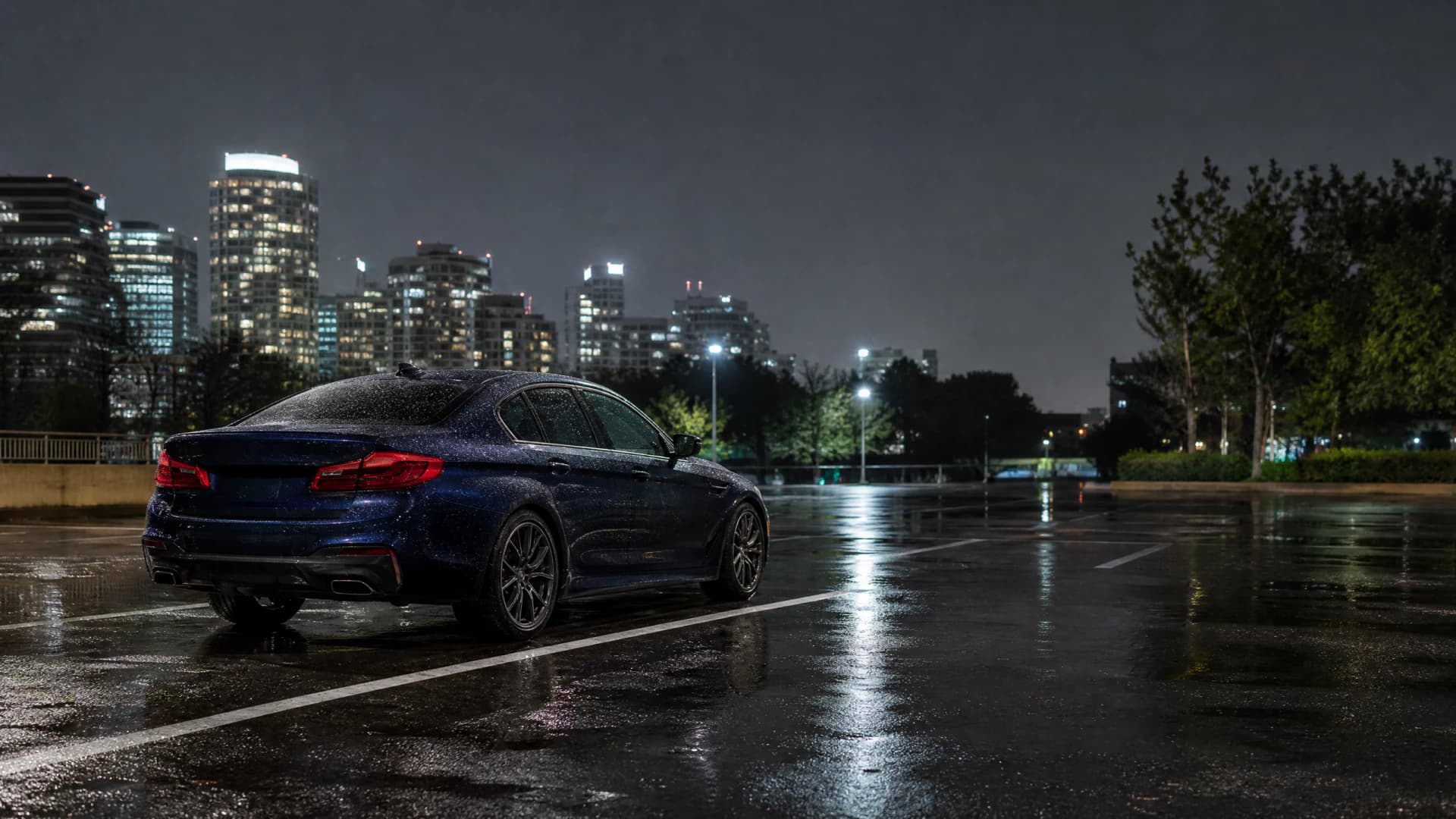
Lenders require collision and comprehensive on financed vehicles. Dropping it before the loan is paid off violates the loan agreement and can trigger force-placed insurance at a much higher cost.
Related Articles

How Dropping Collision Affects the Rest of Your Policy
Dropping collision on one vehicle lowers your total premium but does not affect coverage on your other cars. Each vehicle's collision election is independent. If you drop it on the older sedan, the newer car still carries full collision protection at the same deductible and limit you selected.
The multi-car discount remains in place. That discount is tied to the number of vehicles on the policy, not the coverage levels. As long as every vehicle stays on the same policy and is garaged at the same address, the discount applies. Carriers in Iowa writing multi-vehicle policies — State Farm, Geico, Progressive, Allstate, Farmers, and others — all structure the discount this way.
One timing detail: if you drop collision mid-term, the carrier re-rates the policy and issues a prorated refund for the unused portion of the collision premium on that vehicle. The refund appears as a credit on your next bill or as a check, depending on the carrier. The policy does not restart or reset — it continues through the original term with the updated coverage structure.
3,779,422
Iowa Registered Vehicles
Iowa registers 3,779,422 motor vehicles as of 2022. Most households insure more than one. Structuring collision coverage per vehicle rather than uniformly across the policy is the norm for multi-car households, not the exception.
Iowa DOT 2022 vehicle registration data

Comprehensive Coverage Follows the Same Logic
Comprehensive coverage — which pays for theft, vandalism, weather damage, and animal strikes — is also elected per vehicle and priced separately. The same decision framework applies: lenders require it on financed vehicles, and for paid-off cars you compare the annual premium to the vehicle's value.
Comprehensive is typically cheaper than collision because the risk pool is smaller. A car parked in a garage in a low-theft county will have a lower comprehensive premium than the same car parked on the street in a higher-theft area. Iowa's motor vehicle theft rate is 137.1 per 100,000 population as of 2024 — lower than the national average — which keeps comprehensive premiums relatively affordable statewide.
Compare Carriers That Write Multi-Vehicle Policies in Iowa
Not every carrier prices collision the same way across multiple vehicles. Some offer steeper discounts for households with three or more cars; others price collision more aggressively on older vehicles. Comparing quotes from carriers writing multi-vehicle policies in Iowa — State Farm, Geico, Progressive, Allstate, American Family, Farmers, Nationwide, and others — shows you where your specific vehicle mix gets the best rate structure.
When you request quotes, specify which vehicles will carry collision and which won't. Carriers need that detail to price the policy accurately. A quote that assumes collision on every vehicle will come back higher than one structured to match your actual coverage needs. The comparison tool on this site lets you specify coverage per vehicle and returns quotes from carriers writing in Iowa that fit your household's structure.
When to Keep Collision on Each Vehicle
If the vehicle is financed or leased, collision is required. The lender owns the car until the loan is paid, and they mandate collision and comprehensive to protect their interest. Dropping it triggers a breach of contract, and the lender will buy force-placed coverage and bill you for it — typically at two to three times the cost of a policy you'd buy yourself. Keep collision on every financed vehicle, no exceptions.
If the vehicle is paid off, compare its current market value to the annual cost of collision coverage. A common rule: if the vehicle is worth less than ten times the annual collision premium, consider dropping it. At that ratio, self-insuring — setting aside the premium amount to cover future repairs — often makes more financial sense than paying the carrier.
Get Your Free Quote
Get My Iowa Car Insurance QuoteFrequently Asked Questions
Can I drop collision on one car and keep it on another on the same Iowa policy?
Yes. Collision is elected separately for each vehicle on a multi-car policy. You can carry it on your financed car and drop it on an older paid-off vehicle without affecting the multi-car discount or splitting the policy. The discount applies as long as every vehicle stays on the same policy.
Will my multi-car discount go away if I drop collision on one vehicle?
No. The multi-car discount is tied to the number of vehicles on the policy, not the coverage levels. Dropping collision on one car lowers your premium but does not cancel the discount. Every vehicle must remain on the same policy and be garaged at the same address for the discount to apply.
Do I need collision coverage on every car I own in Iowa?
Iowa does not require collision coverage. Lenders require it on financed and leased vehicles until the loan is paid off. For paid-off vehicles, the decision depends on the car's current value and whether you can afford to replace it out of pocket if it's totaled.
What happens if I drop collision and then total my car?
If you drop collision and total the car in an at-fault accident or single-vehicle crash, your policy will not pay to repair or replace it. Liability coverage pays for damage you cause to others, not damage to your own vehicle. You would pay out of pocket to replace the car.
Can I add collision back to a vehicle after dropping it?
Yes. You can add collision back at any time by contacting your carrier. The policy will be re-rated with the new coverage, and the premium will increase to reflect the added collision protection. The change takes effect on the date you request it, and the carrier will bill you for the prorated premium through the end of the term.
How much does collision cost on a multi-car policy in Iowa?
Collision premium varies by vehicle value, age, deductible, driving history, and location. Newer vehicles cost more to insure than older ones because they cost more to repair or replace. Comparing quotes from carriers writing multi-vehicle policies in Iowa shows you the rate structure for your specific household.