
Farmers Multi-Car Insurance — Iowa
Free to compare
Does Farmers Write Multi-Car Policies in Iowa
Farmers Insurance writes auto insurance in Iowa and offers multi-car policies covering two or more vehicles under one policy number. The carrier is licensed through multiple Farmers Group entities operating in Iowa, confirmed via their state-specific underwriting disclosure. Farmers writes standard-tier auto insurance and files SR-22 certificates when required, though most multi-car households do not need filing certificates.
The structural question for Iowa households insuring multiple vehicles is not whether Farmers writes here — they do — but whether their multi-car discount structure, same-policy requirements, and household-vehicle rules align with your specific situation. Farmers requires every vehicle receiving the multi-car discount to sit on the same policy, and typically requires all vehicles to garage at the same address. If your household includes vehicles titled to different people, garaged at separate addresses, or split between two existing policies, Farmers' same-policy requirement becomes the decision point.
“Farmers requires every vehicle receiving the multi-car discount to sit on one policy and garage at the same address.”

Compare Iowa Car Insurance Quotes Today
Get My Iowa Car Insurance Quote19 carriers
Iowa Auto Insurance Carriers
Iowa's auto insurance market includes 19 carriers writing coverage statewide, from preferred-tier carriers like Farmers and State Farm to non-standard specialists like Bristol West and The General. Households insuring multiple vehicles can compare same-policy discount structures, household-vehicle rules, and garaging-address requirements across this roster.
Iowa Department of Insurance carrier roster
How Farmers Multi-Car Discount Works
Farmers structures the multi-car discount as a same-policy discount: every vehicle receiving the discount must appear on one policy, under one policy number, renewing on the same date. The discount applies to the total premium, not to each vehicle individually. Adding a second vehicle to an existing Farmers policy triggers the discount on both vehicles; adding a third vehicle increases the discount further.
The same-policy requirement means vehicles titled to different household members must all transfer to the single Farmers policy to qualify. A vehicle titled to your spouse on a separate policy, or a vehicle titled to an adult child living at the same address but insured elsewhere, does not count toward the multi-car discount until it moves onto your policy. This differs from bundling discounts, which combine different product lines like auto and home — the multi-car discount applies only when multiple vehicles sit on the same auto policy.
Farmers typically requires all vehicles on the policy to garage at the same address. If your household includes a vehicle garaged at a second address — a college student's car parked out of state, a work vehicle garaged at a job site, or a classic car stored at a separate facility — Farmers may deny the multi-car discount for that vehicle or require it on a separate policy. Verify garaging-address rules with Farmers directly before adding a vehicle that does not park at your primary residence.
Adding a vehicle mid-term re-rates the entire policy rather than simply adding a flat amount. The new vehicle's year, make, model, and garaging location affect the premium for every vehicle on the policy, because the carrier recalculates the multi-car discount and household risk profile at the moment you add the car. This means your premium for the existing vehicles can increase even though those cars have not changed.
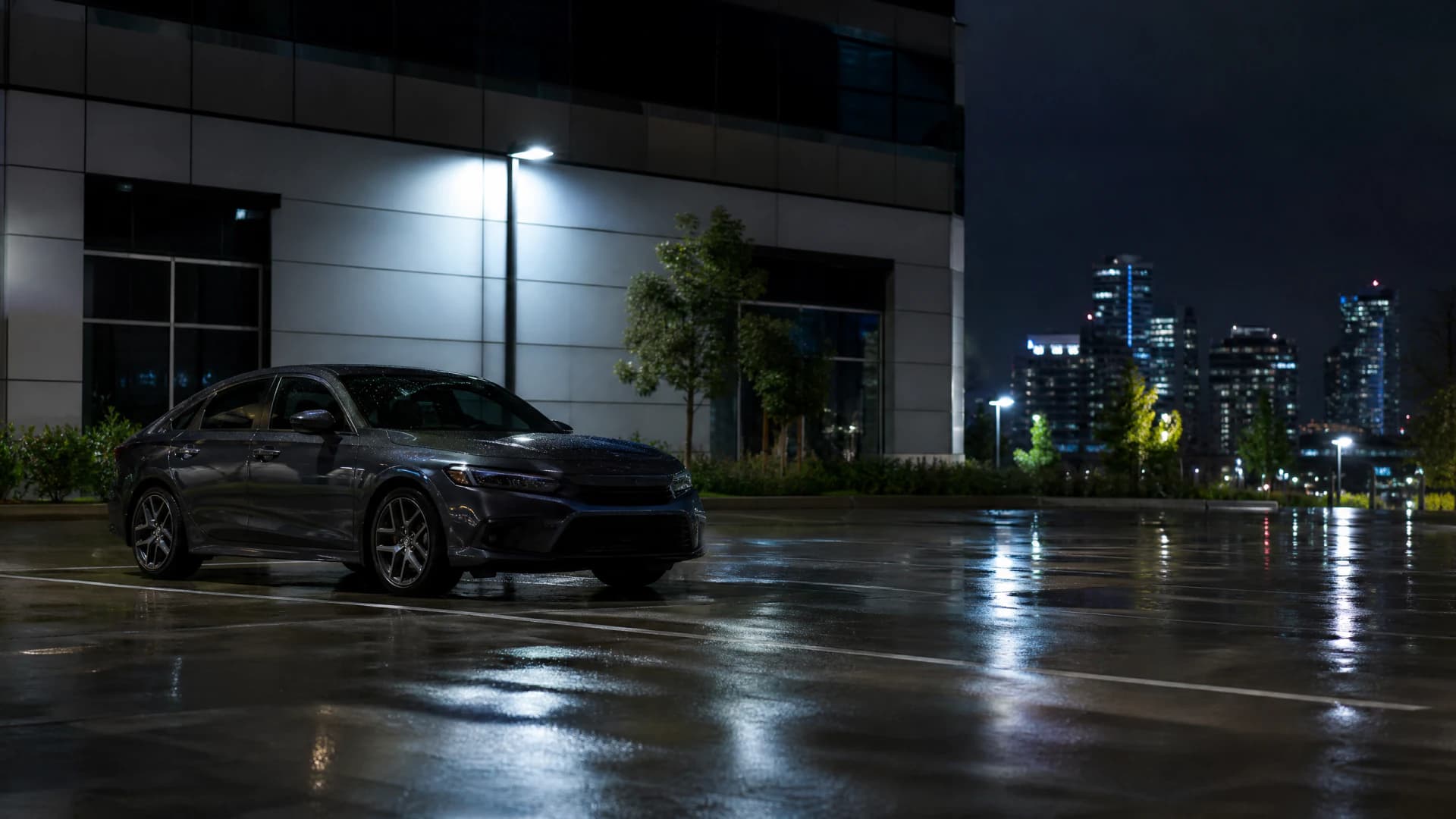
Farmers requires every vehicle receiving the multi-car discount to sit on one policy and garage at the same address. Vehicles titled to different household members or garaged elsewhere may not qualify.



When Combining Policies Under Farmers Makes Sense
Combining two existing policies under Farmers makes sense when every vehicle in your household meets Farmers' underwriting criteria, garages at the same address, and can transfer to one policy without triggering a rate increase that exceeds the multi-car discount. This typically applies to households where both spouses currently insure with Farmers on separate policies, or where one spouse adds their vehicle to the other's existing Farmers policy after marriage or a move.
Combining policies does not always lower the total premium. If one vehicle carries a high-risk driver or a recent violation, moving that vehicle onto a clean policy re-rates the entire household and can increase the premium for every car. Run quotes for both scenarios — keeping policies separate versus combining them — before making the change. Farmers and most Iowa carriers allow you to quote both structures without committing.
If your household includes a vehicle that does not qualify for Farmers' standard-tier underwriting — a high-performance car, a vehicle with a salvage title, or a car driven by someone with multiple recent violations — that vehicle may need a separate policy with a non-standard carrier. Keeping one vehicle on a non-standard policy while insuring the rest with Farmers is a valid structure when the alternative is Farmers declining the entire household.
$20,000 / $40,000 / $15,000
Iowa Minimum Liability Limits
Iowa requires minimum liability coverage of $20,000 per person for bodily injury, $40,000 per accident for bodily injury, and $15,000 per accident for property damage. Every vehicle on a multi-car policy must carry at least these minimums, though most households insuring multiple vehicles choose higher limits to protect household assets across all cars.
Iowa Code Chapter 321A

Adding a Vehicle to an Existing Farmers Policy
Adding a vehicle to an existing Farmers policy mid-term requires contacting Farmers directly — by phone, through your agent, or via the online account portal — within the carrier's grace period. Most Iowa carriers including Farmers provide a grace period of 14 to 30 days during which a newly-purchased or newly-titled vehicle is automatically covered under your existing policy's liability limits. After the grace period expires, an unreported vehicle is not covered, and a claim on that vehicle will be denied.
When you add the vehicle, Farmers re-rates the entire policy immediately. The new vehicle's year, make, model, VIN, and garaging location affect the premium for every car on the policy, because the carrier recalculates the multi-car discount and household risk profile. If the new vehicle is significantly more expensive to insure than your existing cars — a newer car requiring comprehensive and collision, a high-performance vehicle, or a car driven by a young driver — the total premium increase can exceed the value of the multi-car discount. Request a quote before finalizing the purchase so you know the true cost of adding the car.
If you are adding a vehicle titled to someone outside your household — a vehicle you are borrowing long-term, a car titled to an adult child who no longer lives with you, or a vehicle owned by a business — Farmers may require proof of insurable interest or deny coverage entirely. Most carriers require the policyholder to have an ownership or financial interest in every vehicle on the policy. Verify title and insurable-interest requirements with Farmers before attempting to add a vehicle you do not own.
What to Do Right Now
If you are deciding whether to insure multiple vehicles with Farmers in Iowa, request quotes from Farmers and at least two other carriers writing multi-car policies statewide. State your exact household structure: how many vehicles, who drives each car, where each vehicle garages, and whether any vehicle carries a recent violation or high-risk driver. Compare the total premium across carriers, not just the discount percentage — a smaller discount on a lower base rate beats a larger discount on a higher one. If Farmers declines your household or quotes a premium significantly higher than competitors, compare non-standard carriers like Bristol West, Dairyland, and The General, all of which write Iowa multi-car policies and accept higher-risk households Farmers will not write.
Comparing Farmers to Other Iowa Multi-Car Carriers
Preferred-tier carriers like State Farm, Allstate, and American Family write multi-car policies with same-policy discount structures similar to Farmers. Each requires every vehicle on one policy and typically requires shared garaging addresses. If your household includes only standard-risk drivers and vehicles garaged at one address, these carriers compete directly on premium and discount depth. State Farm writes Iowa coverage with an A+ AM Best rating and offers online quoting; American Family operates statewide with standard-tier underwriting; Allstate writes multi-car policies with SR-22 filing capability when needed.
Non-standard carriers like Bristol West, Dairyland, and The General write multi-car policies for households that include high-risk drivers, recent violations, or vehicles that preferred-tier carriers decline. These carriers accept SR-22 filings, non-owner policies, and after-DUI drivers, but their multi-car discount structures vary. Bristol West writes Iowa coverage with both online quoting and broker access; Dairyland operates across 38 states including Iowa with non-standard underwriting; The General writes multi-car policies for high-risk households and files SR-22 certificates when required. If Farmers declines your household due to driving history or vehicle type, these carriers provide multi-car alternatives.
Get Your Free Quote
Get My Iowa Car Insurance QuoteFrequently Asked Questions
Does Farmers offer a multi-car discount in Iowa?
Yes. Farmers offers a multi-car discount in Iowa requiring every vehicle to sit on the same policy and typically requiring all vehicles to garage at the same address. The discount applies to the total premium when you insure two or more vehicles under one policy number.
Can I add my spouse's car to my Farmers policy in Iowa?
Yes, if your spouse's vehicle meets Farmers' underwriting criteria and garages at the same address. Adding the vehicle re-rates the entire policy immediately, so request a quote before making the change to confirm the combined premium is lower than keeping two separate policies.
What happens if I add a third car to my Farmers policy mid-term?
Farmers re-rates the entire policy when you add a third car, recalculating the multi-car discount and household risk profile. The new vehicle's year, make, model, and garaging location affect the premium for every car on the policy, and the total premium increase can exceed the discount if the new car is expensive to insure.
Does Farmers require all vehicles to garage at the same address for the multi-car discount?
Typically yes. Farmers usually requires all vehicles on a multi-car policy to garage at the same address. A vehicle garaged elsewhere — a college student's car parked out of state or a work vehicle garaged at a job site — may not qualify for the discount or may require a separate policy.
Can I insure multiple cars with Farmers if one driver has a DUI?
Farmers writes after-DUI coverage in Iowa, but adding a driver with a recent DUI to a multi-car policy re-rates every vehicle on the policy and increases the total premium significantly. If Farmers declines the household or quotes a prohibitively high premium, compare non-standard carriers like Bristol West, Dairyland, and The General, which specialize in high-risk multi-car households.
How many carriers write multi-car insurance in Iowa?
Nineteen carriers write auto insurance in Iowa, including preferred-tier carriers like Farmers, State Farm, and Allstate, and non-standard carriers like Bristol West, Dairyland, and The General. Each carrier has different same-policy requirements, household-vehicle rules, and underwriting criteria for multi-car policies.
What is Iowa's minimum liability insurance requirement for multiple cars?
Iowa requires $20,000 per person for bodily injury, $40,000 per accident for bodily injury, and $15,000 per accident for property damage. Every vehicle on a multi-car policy must carry at least these minimums, though most households insuring multiple vehicles choose higher limits to protect household assets across all cars.