
Car Insurance Coverage Needs — Iowa
Free to compare
The Coverage Decision Iowa Households Face
You own two cars in Iowa. One is a 2022 sedan with a loan; the other is a 2014 SUV you own outright. The state requires $20,000 per person and $40,000 per accident in bodily injury liability, plus $15,000 in property damage liability. That minimum applies to both vehicles. But the question that brought you here is whether both cars need collision and comprehensive coverage, or whether you can drop physical damage coverage on the older vehicle and save money without taking on unacceptable risk.
This is the coverage-structure decision every Iowa household with multiple vehicles navigates. The state tells you the liability floor. It does not tell you how to structure physical damage coverage across cars of different ages, values, and loan statuses on the same policy. That decision determines what you pay and what you recover after a crash, theft, or weather event.
“Iowa law requires the same liability minimum on every vehicle, but does not require collision or comprehensive on any car you own outright.”

Compare Iowa Car Insurance Quotes Today
Get My Iowa Car Insurance Quote$20,000 / $40,000 / $15,000
Iowa Minimum Liability Limits
Iowa Code requires $20,000 bodily injury per person, $40,000 bodily injury per accident, and $15,000 property damage per accident. These limits apply to every vehicle you register and insure in the state, regardless of how many cars sit on your policy.
Iowa Code § 321A.21
What Iowa Requires Versus What Protects Your Assets
Iowa's liability minimum protects other people when you cause a crash. It does not protect your own vehicle. If someone hits your parked car and drives away, your liability coverage pays nothing toward your repair bill.
Collision coverage pays to repair or replace your vehicle after a crash you cause or a hit-and-run, minus your deductible. Comprehensive coverage pays for theft, vandalism, hail, flood, fire, and animal strikes, minus your deductible. Together, collision and comprehensive are called physical damage coverage or full coverage. Neither is required by Iowa law, but lenders require both on financed vehicles until the loan is paid off.
The structural reality: Iowa law requires the same liability minimum on every vehicle you insure, but it does not require collision or comprehensive on any vehicle you own outright. A household with one financed car and one paid-off car can carry full coverage on the financed vehicle and liability-only on the paid-off vehicle, both on the same policy. The multi-car discount applies to the policy as a whole; dropping physical damage coverage on one vehicle lowers the total premium without losing the discount.
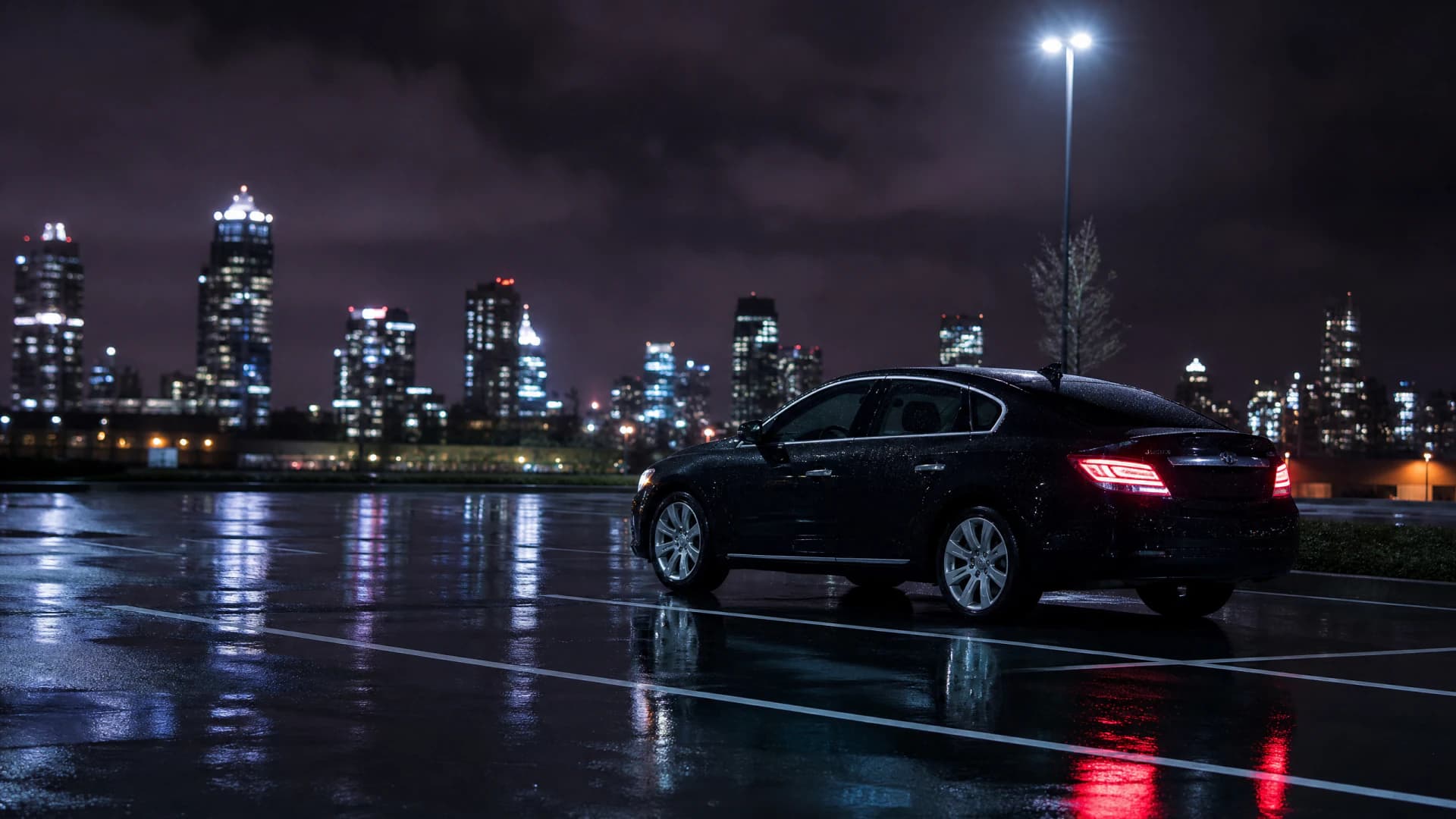
Iowa households often assume every car on a multi-car policy must carry the same coverage. They do not. Each vehicle can carry different coverage levels based on its value and loan status.
Related Articles



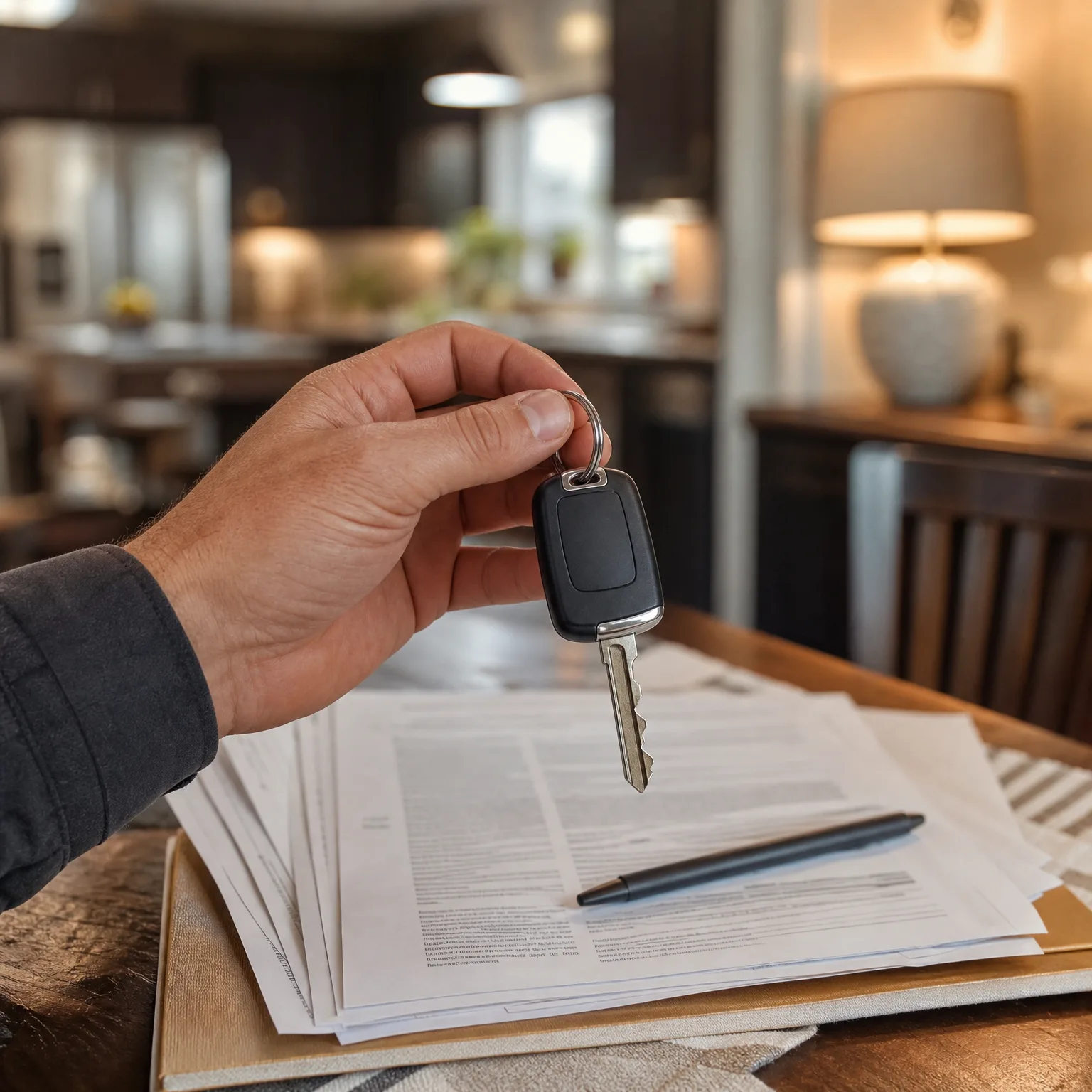
Structuring Coverage Across Multiple Vehicles on One Policy
Iowa carriers allow you to assign different coverage levels to each vehicle on a multi-car policy. But collision, comprehensive, and deductible selections are vehicle-specific. You can carry full coverage with a $500 deductible on your 2022 sedan and liability-only on your 2014 SUV, both on the same policy, without losing the multi-car discount.
When you add or remove a vehicle mid-term, the carrier re-rates the entire policy. Adding a vehicle does not simply append a flat amount; it recalculates the premium based on the new vehicle count, the coverage selections for each vehicle, and the drivers assigned to each car. Removing a vehicle or dropping collision on one car mid-term triggers a recalculation and usually results in a partial refund. Notify your carrier immediately when you sell a vehicle or pay off a loan, so you can adjust coverage and avoid overpaying.
Some Iowa households combine policies after marriage or when a household member moves in with a vehicle. Combining two single-car policies into one multi-car policy usually lowers the combined premium, but not always. If one driver has a recent at-fault crash or DUI and the other has a clean record, combining policies can raise the clean driver's rate. Compare the combined-policy quote to the cost of keeping two separate policies before making the change. Carriers that write multi-car policies in Iowa include State Farm, Geico, Progressive, Allstate, Farmers, Nationwide, American Family, and others listed in the data block above.
$926.42
Iowa Average Annual Auto Premium
The average annual auto insurance expenditure per insured vehicle in Iowa was $926.42 in 2023, according to NAIC data. Households insuring multiple vehicles pay less per vehicle due to the multi-car discount, but total household premium depends on coverage selections, driver records, and vehicle values.
NAIC Auto Insurance Database Report 2023
Higher Liability Limits and Uninsured Motorist Coverage
Iowa does not require uninsured motorist coverage, but 11.4 percent of Iowa drivers are uninsured. Without uninsured motorist coverage, you sue the at-fault driver personally or absorb the loss. Uninsured motorist coverage pays your injury costs up to the policy limit when the at-fault driver has no insurance or insufficient coverage. Underinsured motorist coverage pays the gap when the at-fault driver's liability limit is lower than your damages. Both coverages are optional in Iowa, but they protect your household when the other driver cannot.
Raising your liability limits above the state minimum costs less than most households expect. If you own a home, have retirement savings, or earn a wage that could be garnished, carrying higher liability limits prevents a lawsuit from wiping out what you have built. Many Iowa carriers bundle higher liability limits with uninsured motorist coverage at a combined rate lower than buying each separately.
Compare Carriers That Write Your Household's Vehicles
Iowa households with multiple vehicles should compare quotes from at least three carriers that write multi-car policies in the state. Rates vary by carrier, and the carrier that offers the lowest rate for one vehicle may not offer the lowest rate for two or three. State Farm, Geico, Progressive, Allstate, Farmers, American Family, Nationwide, and other carriers listed in the roster above write multi-car policies in Iowa. Some carriers offer a larger multi-car discount; others offer a lower base rate with a smaller discount. A smaller discount on a lower base rate can produce a lower total premium than a larger discount on a higher base rate.
When comparing quotes, specify the coverage level you want for each vehicle: liability-only for the paid-off car, full coverage with a $500 or $1,000 deductible for the financed car, and the liability limits and uninsured motorist coverage you want for the policy as a whole. Many carriers offer online quoting; others require a phone call or an agent visit. Gather quotes within the same week so rates reflect the same underwriting period, then choose the carrier that offers the coverage you need at the rate that fits your household budget.
How to Decide Which Vehicles Need Full Coverage
If the vehicle is financed or leased, the lender requires collision and comprehensive until the loan is paid off. You cannot drop physical damage coverage without violating the loan agreement. If the vehicle is paid off, the decision is yours. Compare the vehicle's current market value to the annual cost of collision and comprehensive coverage. Many households drop collision on vehicles worth less than ten times the annual physical damage premium.
The second factor is what you can afford to replace out of pocket. If losing the vehicle would prevent you from getting to work and you cannot afford to buy another car immediately, keeping collision and comprehensive makes sense even on an older vehicle. If you have savings set aside and could replace the car without a loan, dropping physical damage coverage and self-insuring the risk is a rational choice. The third factor is deductible selection. A $500 deductible costs more per month than a $1,000 deductible. Choosing the higher deductible lowers your premium and still protects you against total loss, though you pay more out of pocket for smaller claims.
Get Your Free Quote
Get My Iowa Car Insurance QuoteFrequently Asked Questions
Does Iowa require the same coverage on every vehicle I insure?
Iowa requires $20,000/$40,000/$15,000 liability on every vehicle you register, but does not require collision or comprehensive on any vehicle. You can carry full coverage on a financed car and liability-only on a paid-off car, both on the same policy.
Can I drop collision on one car without losing the multi-car discount?
Yes. The multi-car discount applies to the policy as a whole, not to each vehicle's coverage level. Dropping collision on one vehicle lowers your premium without affecting the discount, as long as both vehicles remain on the same policy.
Should I carry uninsured motorist coverage in Iowa?
Iowa does not require uninsured motorist coverage, but 11.4 percent of Iowa drivers are uninsured. Uninsured motorist coverage pays your injury costs when an at-fault driver has no insurance or insufficient coverage, protecting your household from out-of-pocket loss.
How do I decide whether to keep collision on an older vehicle?
Compare the vehicle's current market value to the annual cost of collision and comprehensive coverage. If the vehicle is worth less than ten times the annual physical damage premium, many households drop collision and self-insure the risk, especially if they can afford to replace the car out of pocket.
What happens when I combine two single-car policies into one multi-car policy?
Combining policies usually lowers the total premium due to the multi-car discount, but not always. If one driver has a recent at-fault crash or DUI, combining policies can raise the clean driver's rate. Compare the combined-policy quote to the cost of two separate policies before making the change.
Do I need to notify my carrier when I pay off a car loan?
Yes. When you pay off a loan, the lender no longer requires collision and comprehensive coverage. Notify your carrier immediately so you can decide whether to drop physical damage coverage and lower your premium, or keep it for continued protection.