
Liability vs Full Coverage — Iowa
Free to compare
The Two-Car Coverage Decision Iowa Households Face
You just bought a second car, or you're combining two vehicles onto one policy, and now you're staring at a coverage decision that didn't matter when you had one car: do you carry the same coverage on both vehicles, or do you split them—liability-only on the older car, full coverage on the newer one? The premium difference is real when you're insuring two cars, and the answer depends on what each vehicle is worth and how you use it.
Iowa law requires every registered vehicle to carry at least $20,000 per person and $40,000 per accident in bodily injury liability, plus $15,000 in property damage liability. That minimum applies to every car on your policy. The collision and comprehensive coverage—what people call full coverage when bundled with liability—is your choice, and you make that choice separately for each vehicle. Most households with two cars on one policy do not carry identical coverage on both.
“The multi-car discount does not require identical coverage on every vehicle—it requires every vehicle to sit on the same policy.”

Compare Iowa Car Insurance Quotes Today
Get My Iowa Car Insurance Quote$20,000/$40,000/$15,000
Iowa Minimum Liability Limits
Every vehicle registered in Iowa must carry at least this much liability coverage to meet state proof-of-insurance requirements. This is the floor, not the ceiling—you can carry higher limits, and lienholders typically require full coverage until the loan is paid off.
Iowa Code Chapter 321A
What Liability-Only and Full Coverage Actually Mean on a Multi-Car Policy
Liability-only means you carry the state minimum—bodily injury and property damage liability—and nothing else. If you hit someone, your liability coverage pays for their injuries and their car's damage up to your limits. It does not pay to fix your own car. If you total your car in an at-fault accident, you pay to replace it out of pocket.
Full coverage means you add collision and comprehensive on top of the required liability. Collision pays to repair or replace your car after an accident, regardless of fault. Comprehensive pays for theft, vandalism, hail, fire, and animal strikes. Both coverages come with a deductible—typically $500 or $1,000—and both stop paying once your car's actual cash value is reached.
When you insure two cars on one policy, you choose collision and comprehensive separately for each vehicle. The multi-car discount applies to the policy as a whole, but the coverage you select for Car A does not dictate what you must carry on Car B. You can carry full coverage on the newer car and liability-only on the older one, and both vehicles stay on the same policy with the same multi-car discount intact.
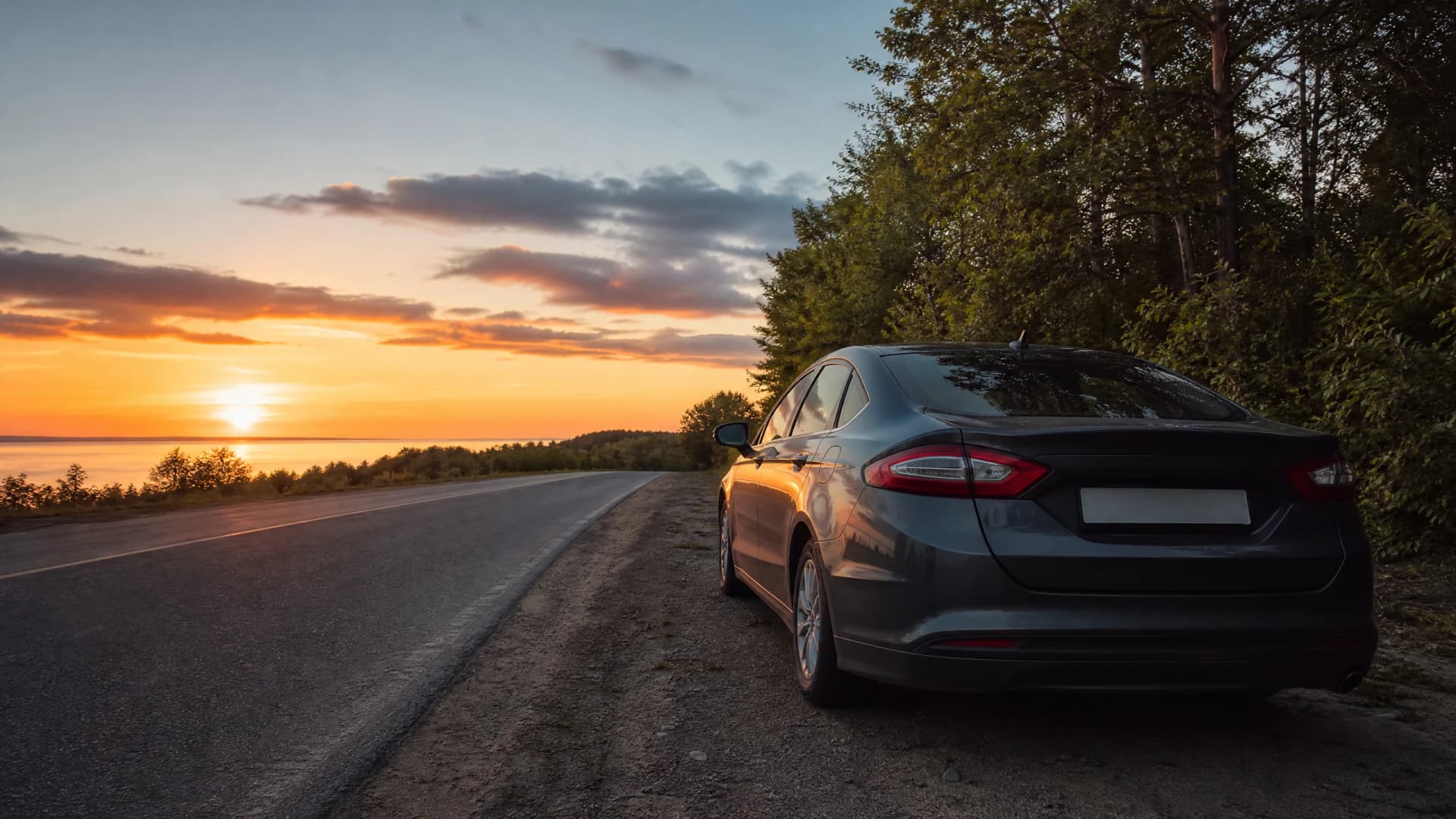
The multi-car discount does not require identical coverage on every vehicle—it requires every vehicle to sit on the same policy. You can split liability-only and full-coverage cars without losing the discount.






How Splitting Coverage Affects Your Premium
Dropping collision and comprehensive on one car lowers your total policy premium, but not by half. When you drop full coverage on the older car, you remove that 30-to-50-percent add for that vehicle only. The liability portion stays, and the multi-car discount still applies to the whole policy.
Adding a second car to your policy re-rates the entire policy, not just the new vehicle. The multi-car discount offsets part of the added premium, but you're still insuring two vehicles' worth of liability exposure. If you add the second car with liability-only, the added premium is lower than if you added it with full coverage, but it's not zero. Carriers price each vehicle separately, then apply the multi-car discount to the combined total.
Some households assume the multi-car discount will cut their premium in half when they combine two single-car policies. It does not. The discount typically reduces the combined premium by 10 to 25 percent compared to two separate policies, but you're still paying to insure two cars. The savings come from administrative efficiency and the reduced risk of insuring multiple vehicles to the same household, not from cutting coverage.
11.4%
Iowa Uninsured Motorist Rate
More than one in ten drivers on Iowa roads carries no insurance. Uninsured motorist coverage is optional in Iowa, but it protects you when the at-fault driver cannot pay. Consider adding it to the vehicle you drive most, even if you drop collision and comprehensive on the second car.
Insurance Research Council, 2023

What Happens When You Add or Drop Coverage Mid-Term
You can add or drop collision and comprehensive any time during your policy term—you do not have to wait for renewal. When you drop full coverage on one car, the carrier re-rates your policy immediately and issues a prorated refund for the unused premium. When you add full coverage, the carrier bills you for the added cost through the end of the term. Both changes take effect the day you request them, not at the next renewal.
If you drop full coverage on a car that still has a lien, the lienholder will find out. Carriers report coverage changes to lienholders automatically, and the lienholder will force-place collision and comprehensive at a much higher rate if you do not reinstate it yourself. Force-placed coverage protects the lienholder's interest, not yours, and it costs two to three times what you would pay by adding it back through your own carrier. Do not drop full coverage on a financed car without paying off the loan first.
Compare Carriers That Write Multi-Car Policies in Iowa
Not every carrier prices multi-car policies the same way. Some apply a larger multi-car discount but start with a higher base rate. Others offer a smaller discount on a lower base, and the smaller discount on the lower base often wins. When you're deciding between liability-only and full coverage on two cars, compare the total policy premium across carriers, not just the discount percentage. The cheapest carrier for one car is not always the cheapest for two.
Iowa households insuring two or more vehicles can compare carriers including State Farm, Geico, Progressive, Allstate, Farmers, American Family, and Nationwide. Each writes multi-car policies in Iowa, and each prices the liability-only versus full-coverage decision differently. Get quotes with both coverage structures—liability-only on both cars, full coverage on both, and split coverage—and compare the total annual premium. The structure that saves the most depends on your cars' values, your driving records, and the carrier's pricing model.
How to Decide Which Car Gets Full Coverage
Start with lien status. If a bank or credit union holds the title, they require collision and comprehensive until the loan is paid off. You do not have a choice on that vehicle—it carries full coverage. If the second car is paid off, the decision is yours. Compare the car's actual cash value to your deductible and six months of collision-plus-comprehensive premium. Many households drop full coverage at that threshold.
Consider how you use each car. If one vehicle sits in the driveway most of the week and the other is your daily commute car, the daily driver faces higher collision risk and may justify full coverage even if both cars are worth similar amounts. If one car is older but you cannot afford to replace it, full coverage still makes sense regardless of book value. The coverage decision is about financial exposure, not the car's age or mileage.
Get Your Free Quote
Get My Iowa Car Insurance QuoteFrequently Asked Questions
Can I carry full coverage on one car and liability-only on the other on the same policy?
Yes. You choose collision and comprehensive separately for each vehicle on a multi-car policy. The multi-car discount applies to the policy as a whole, not to identical coverage across every car. Most Iowa households with two cars carry full coverage on the newer vehicle and liability-only on the older one.
Does dropping full coverage on one car reduce my multi-car discount?
No. The multi-car discount applies because you insure multiple vehicles on one policy, not because you carry the same coverage on each. Dropping collision and comprehensive on one car lowers your premium, and the multi-car discount remains intact as long as both vehicles stay on the same policy.
What is the difference between liability-only and full coverage in Iowa?
Liability-only is Iowa's minimum required coverage: $20,000 per person, $40,000 per accident in bodily injury liability, and $15,000 in property damage liability. It pays for the other driver's injuries and car damage when you cause an accident. Full coverage adds collision and comprehensive, which pay to repair or replace your own car after an accident, theft, or other covered loss.
When should I drop full coverage on a car I own outright?
Drop full coverage when the car's value falls below the point where replacing it out of pocket is cheaper than paying six months of collision and comprehensive premium plus your deductible. Many households drop full coverage at that threshold.
Can I add full coverage to a car after I buy it if I started with liability-only?
Yes. You can add collision and comprehensive any time during your policy term. The carrier re-rates your policy immediately and bills you for the added premium through the end of the term. The coverage takes effect the day you request it, not at renewal.
Do I need uninsured motorist coverage if I drop full coverage on one car?
Uninsured motorist coverage is optional in Iowa, but 11.4 percent of Iowa drivers carry no insurance. Uninsured motorist coverage pays for your injuries and your car's damage when the at-fault driver cannot. Consider adding it to the vehicle you drive most, even if you drop collision and comprehensive on the second car.
Will my lienholder let me drop full coverage on a financed car?
No. If a bank or credit union holds the title, they require collision and comprehensive until the loan is paid off. If you drop it, the lienholder will force-place coverage at two to three times your carrier's rate. Do not drop full coverage on a financed car without paying off the loan first.